
Weathering the challenges that lie ahead

As we celebrate our 40th anniversary, come rain or shine, our message remains unchanged – that making the best use of home-produced or locally sourced feeds is the foundation of profitable, sustainable livestock farming.
Looking back at the season so far, the two things that stand out are the weather extremes and the falling milk price. Whilst we can do nothing to influence the weather, and very little to influence the milk price aside from hitting fat and protein requirements, it’s possible to have a huge influence on both costs of production and margins by making more use of home-grown feeds. Whilst they come with the obvious benefit of reduced cost when compared with bought-in feed, they also have an environmental impact. This is increasingly rewarded by buyers, through various carbon footprinting schemes, thanks to their obvious environmental benefits, potentially including a substantial reduction in the length of supply chain for both milk and meat.
Weather worries of a drought similar to last year’s after a warm dry June were soon forgotten and July was the wettest on record for many, with some areas seeing over three times their average monthly rainfall. This has not only caused huge short-term problems with forage and cereal crops but also longer-term damage to land.
We have helped many farmers salvage mouldy or lodged and chitted cereals, and maintain that as long as the crop goes through a combine, with the correct choice of preservative and good management practices, even severely chitted cereals actually keep and feed quite well.
Following worries about waterlogged land, high risk of soil contamination and low dry matter grass silage crops, we are at least hearing back some good news. Certainly, many farmers who were really worried about their silage are finding it is analysing and feeding far better than expected when treated with Safesil Challenge. With a unique blend of human food preservatives, the product has been formulated for exactly these situations, dealing with crops which are low in sugar and overloaded with undesirable bacteria, yeasts and moulds.
Dr George Fisher writes about the medium- and long-term effects of the recent weather and
what can be done to ensure your land is in the best possible condition moving into winter to support next season’s crop?
With forecasters warning that extreme weather conditions are likely to be more common in the future, it may be worth considering other crops such as the green wholecrop, discussed on page 7 of the KnowHow’s summer issue.
Moving on towards the winter feeding period, Dr Dave Davies provides us with an interesting insight into the history of the NIRS silage analysis system and how to interpret the results. However, he also explains its limitations and when it may be inappropriate for certain feeds. When it comes to rationing, it is so important to know accurately what’s in the clamp and we have increasing numbers of farmers asking for wet chemistry analysis, especially for more unusual crops. Although this analysis is more expensive than NIRS, the cost is pretty insignificant compared to potential savings which could be made if the quality of forage is under-estimated, leading to unnecessary concentrate use.
At Kelvin Cave Ltd, we are beginning to work on the NCS project, outlined in the summer 2023 issue of KnowHow. On page 10 of this issue, we introduce some of the other project partners who are most relevant to livestock farmers who grow or locally source proteins as well as explaining the KC involvement and introduce Ian Wilson, our subcontractor for the harvesting efficiency trials.
You may also be interested in

Wet Weather Recovery Ideas
We are (hopefully) coming out of one of the most prolonged wet periods that most of us have ever experienced and normal winter cereal sowings are down by 65% to 85% in many parts of the country. This will, almost certainly, result in strong winter wheat prices in the coming year as well as disruption to cropping rotations into 2021.
Learn more
P is for persistent precipitation
The inclement weather of the past few months has certainly presented farmers with more than a few headaches.
Coincidentally, P is also the initial letter of each of the five stages we recommend you follow to achieve the highest quality, highest yield and optimum nutrient retention and conditions for all your home-grown feed … even when weather conditions are at their most challenging!
Learn more
Close-up on Wholecrop harvesting and additives for preservation
Reserve forage stocks have been used up completely or severely depleted in many parts of the country and, for many, a wet autumn resulted in reduced acreages of winter cereals being sown. Then we had the late and difficult spring weather delaying drilling of crops even further. In order to get rotations back on track and replenish conserved forage reserves, turning cereal and even pulse crops into wholecrop silage could be a useful option to consider.
Learn moreRelated products
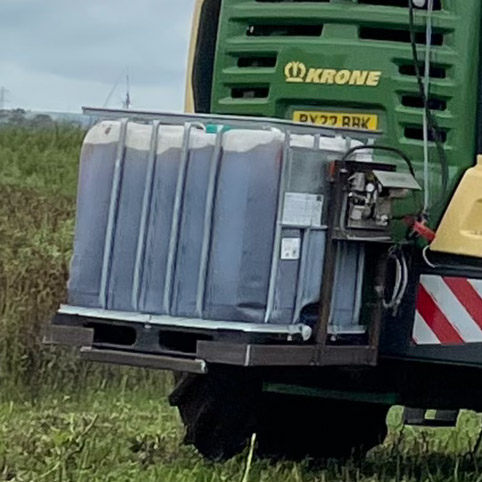
Safesil Challenge
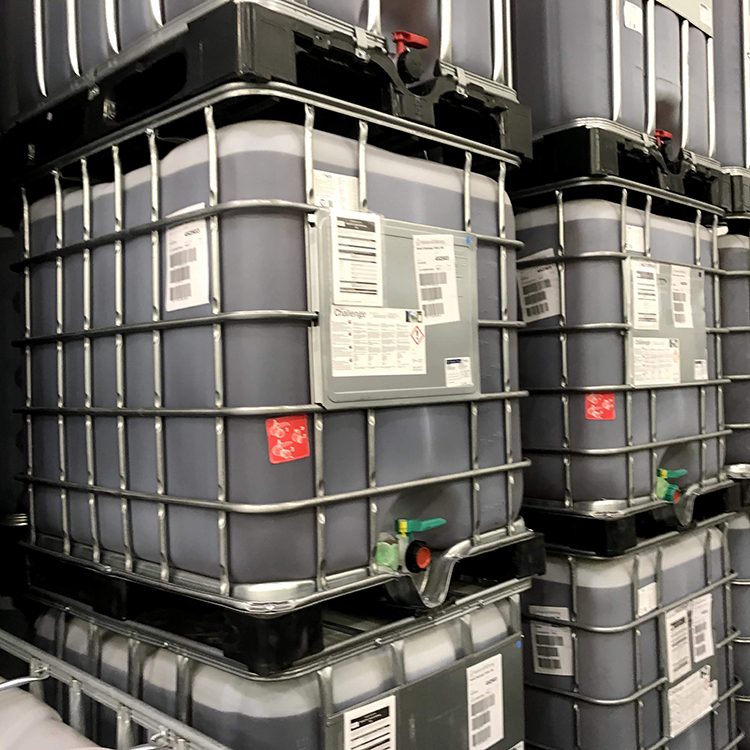
- For lower DM grass silage
- Human food-grade preservative
- Suitable for clamps, bales and ag-bags
SilageSafe
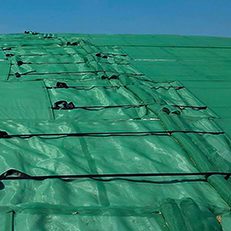
- Integrated tensioning straps
- Eliminates tyres and gravel bags
- Customised to clamp size