Saving Time and Workload with Precision-Milled Ration

A father and son team in Devon have rationalised their workload and are working towards self-sufficiency with home-milled rations for finishing beef.
When you are buying forward stores – bringing cattle on to the farm at 18 months or more and selling everything to slaughter little more than three months later – your focus has to be on achieving rapid growth and well-finished carcasses from a cost-effective ration.
That’s why father and son team, Anthony and James Brock, from Yendacott Manor near Crediton in Devon, have focussed their attention firmly on producing feed at home. With 600 head going through the system every year, many of the family’s 600 acres (243ha) are dedicated to producing the cattle ration. Some 450 acres (182ha) of arable are down to wheat, barley, oats, maize and a few beans with the remainder accounted for by grassland for silage and Sustainable Farming Incentive schemes.
Processing the ration at home is integral to the system and for many years, Anthony and James had made do with a one-tonne batch mixer.
“Our old mill had a throughput of about two tonnes an hour – it took ages,” says James.
“There’s only Dad and me on the farm and this just took too much of our time – we really needed to modernise,” he says.
“We spoke to Kelvin Cave and they had a fairly new product – a G5, which is the smallest Rivakka roller mill they sold. It’s compact and looked exactly right for us,” he says.
“You can move it with pallet forks or back the tractor up to it; it sits on a frame and is PTO-driven,” he says. “We can use one of several tractors on it, as long as they’re at least 100 horsepower – it’s not power-hungry at all.
“We’ve also noticed it has very good build-quality and the magnets before the rollers pick up any foreign material.”
Now using the G5 to roll all cereals for the cattle ration, this includes wheat, barley, oats, and beans when available in each mix.
Each ingredient is precisely weighed, with weigh cells on the loader, and rolled and dispensed through the mill’s auger.
“Our 18-tonne trailer takes just over an hour to fill,” says Anthony. “We generally roll the cereals at around 15 tonnes an hour although the mill can roll up to 20 tonnes of barley an hour.”
The cereals are fed to stock at a rate of 4.5kg/head/ day, which are mixed into a total mixed ration which also comprises 12kg/head of grass silage, 12kg/head of maize silage and 750g/head of a bought-in, high protein and mineral mix.
“We are pretty basic users of the mill as it is new to us but we have been very impressed with it so far,” says James. “We used to mill every four days – now it’s twice a month.”
Also feeling encouraged to try other crops which could be included in the ration, he says they may consider replacing some of the bought-in protein with more home-grown beans, which had previously been sold, or even consider growing lupins.


Grass and maize silage
Also aiming to increase the quality of their silage, Anthony and James have switched from bales to clamp and also taken a more precision approach to conserving their grass.
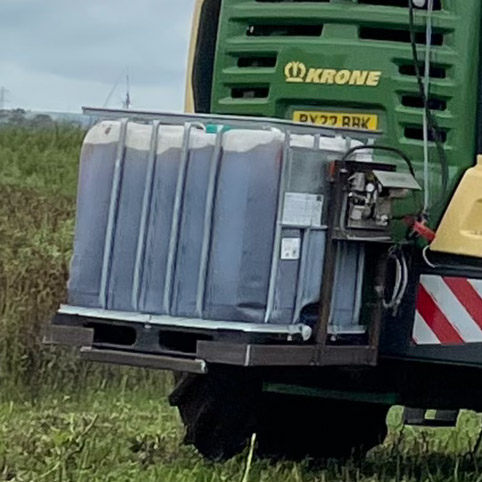
“Now we have a forage wagon we can be far more accurate with the whole process,” says James. “It has a front tank so we know exactly how much additive goes on the grass, and weigh cells so we know how much grass goes into the pit – accuracy is key.”
Now using Kelvin Cave’s Safesil preservatives on both grass and maize, he says: “It’s so much easier to be accurate with this additive than with the one we used before.
“Previously, we had to mix the additive in buckets and it was a low-volume product – it was hard to get the accuracy right.
“With Safesil, we just use 2 litres/tonne on the grass silage, there’s no measuring or mixing – it’s easy.”
But more important than this is the quality of their forage.
“We try to get the best grass into the pit that we can, using young leys wherever possible, and we’ve found with Safesil, the quality seems to be retained.
“It’s always cooler than any silage we’ve made before and the protein seems to stay – it’s good quality right to the back of the pit.”
Request a call back
You may also be interested in

Going Through the Mill
Finishing 800 store cattle on the farm every year and processing all of the stock’s grain through a small static mill, the Wilcock family from Gladden Hey Farm in Wigan knew the time had come to upgrade their system.
Learn more
Milling mixed crops to perfect a dairy ration
Norfolk dairy producer, Stephen Temple, is not only growing beans to include in his dairy herd’s ration, but is working with scientists and agricultural engineers to improve their nutritional value.
Learn more
Problems rolling dry feeds addressed by tempering grain
A treatment to ‘temper’ grains and pulses – commonly used by the feed trade – is now being used on a Durham farm to address the problem of feeding poorly milled, dusty cereals and beans to beef.
Learn more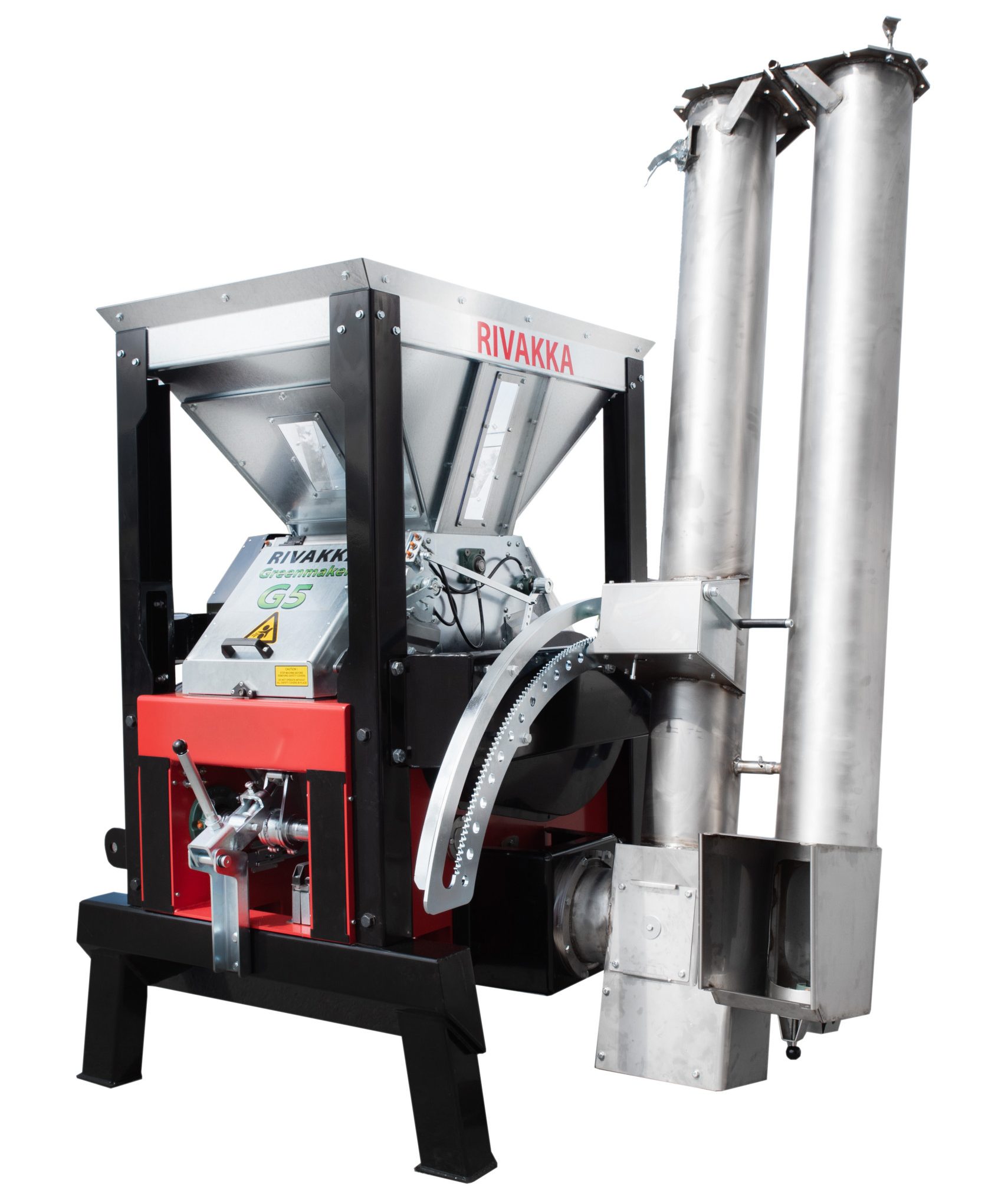
Safesil Challenge
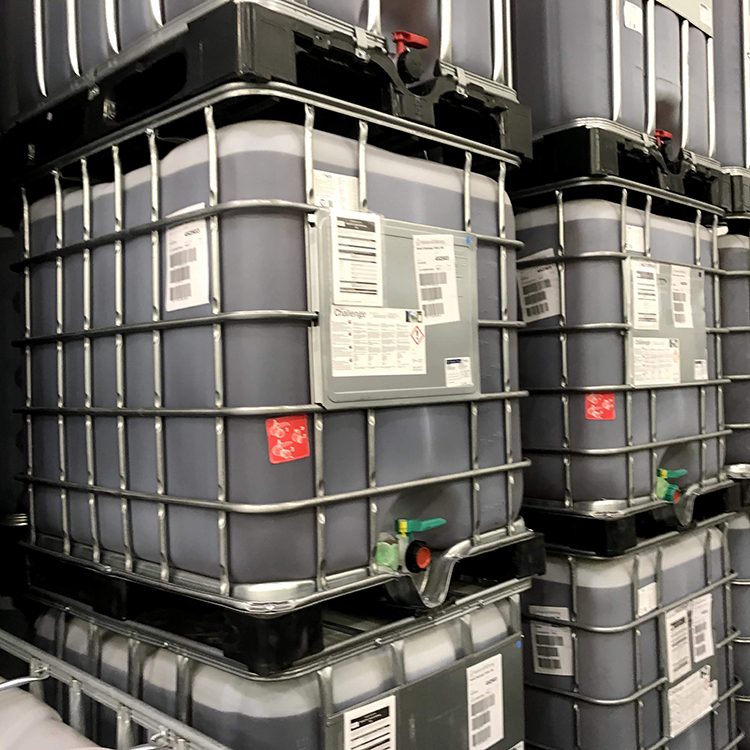
- For lower DM grass silage
- Human food-grade preservative
- Suitable for clamps, bales and ag-bags