
Flexibility and resilience

It would be impossible to start this issue of the new-look KnowHow without mentioning the weather. This time last year, with memories of the 2022 drought fresh in our minds, we were fearing another dry year. But how wrong we were! In most parts of the UK, we have seen unprecedented levels of rainfall since summer, resulting in a difficult cereal and maize harvest and a greatly reduced area of winter cereals drilled.
And if there’s one thing meteorologists and climatologists agree on, it’s that weather extremes are here to stay.
So, farming has to adapt to the less predictable conditions, which, above all, means flexibility.
Flexibility is the number one theme picked up by silage consultant, Dr Dave Davies, who offers top tips for silage survival in a changing climate. Other suggestions range from reconsidering cropping to changing the timing of harvest or adapting silage- making strategy.
Meanwhile, grassland consultant, Dr George Fisher, has some timely advice, potentially for immediate use. His simple measures could help improve early grass growth, and avoid delays to first cut silage where growers are still facing waterlogged fields.
Out on the farm, producers who have demonstrated they are nimble on their feet are also better placed to respond to market as well as climatic changes. This could be by growing legumes to displace soya or adding catch-crops to increase profits, improve soil structure, and avoid bare soil and run-off. The Bean family from Northumberland are just such producers, and through their vision and agility, they have removed every bought-in feed ingredient (except minerals) from their beef and sheep rations. This has had a dramatic effect on their input costs.
Many other customers have also shown a willingness to embrace change, and crimping grain maize is another example of how they have done so. We know of many who switched to crimped maize as a salvage option when they were struggling to harvest their maize as forage, and many have been so impressed with the way this high energy concentrate is feeding that they’re now planning to plant more of the crop specifically for crimping. This could be an option for others to consider, especially in areas where winter cereals were not drilled, or have failed.


Daniel Ritch from Orkney is a dairy producer who has focussed his attention on improving his already high-quality, home-grown forage and has found that he now has a more nutrient-rich grass silage than he ever imagined. This is both cutting his concentrate use and improving the performance and
health of his herd, and he was handed an unexpected bonus when his silage won the keenly contested AgriScot Silage Competition. Now, his advocacy of Kelvin Cave’s acclaimed Safesil range of silage preservatives is spreading the products’ reputation across this Scottish island, where two more converts have joined this most northerly prize-winner to also enjoy competition success.
Other products in our range of scientifically proven forage and grain preservatives and innovative clamp management products are also unrivalled in the industry. So, whatever the British weather throws at us, we are well-placed to offer the right products and advice to help you adapt to changing conditions and optimise your use of home-grown feeds.
It would be remiss not to draw our customers’ attention to recently available grants, which could help some producers in their quest to produce more home-grown feeds. Notably, there is the ‘Farming Equipment and Technology Fund 2024’ which is worth looking up as it could help equip English farmers with aerators and sward lifters, or even a mixer wagon to improve the delivery of home-grown rations.
We know agriculture is facing a period of great change and uncertainty, which will undoubtedly test the resilience of every UK farm. But the one thing of which we are certain is the benefit to livestock farms of maximising the quality and quantity of home-grown feed, which can have profound effects on a business’s bottom line.
You may also be interested in

Better forage is central to a new way of farming
Just like many cattle farmers across the uplands of England, Geoff Roddam used to feed his stock on grass silage and bought-in concentrates.
Learn more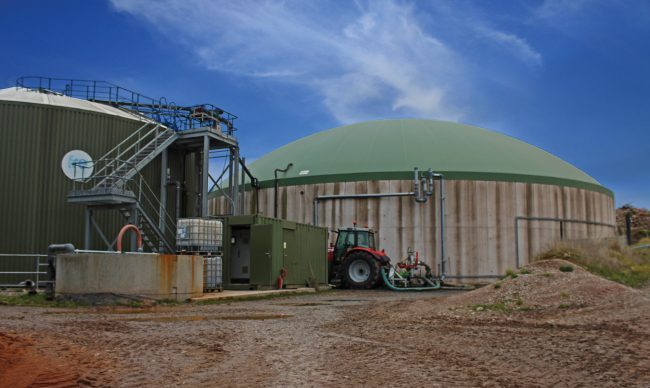
Changing silaging practices leads to championship award
Earlier this year, the Gibson family from Penrith took the prestigious championship award in the Cumbria Grassland Society grass silage competition with their 2018 crop. We visited Castlesteads Farms to find out how they made the best for their dairy cows and their digester.
Learn more
Managing wet weather soils
Autumn is a time to assess soil condition, according to grassland consultant, Dr George Fisher. He asks how your soils have coped with some wet summer months and suggests remedial action which will improve crop performance next year.
Learn moreRelated products
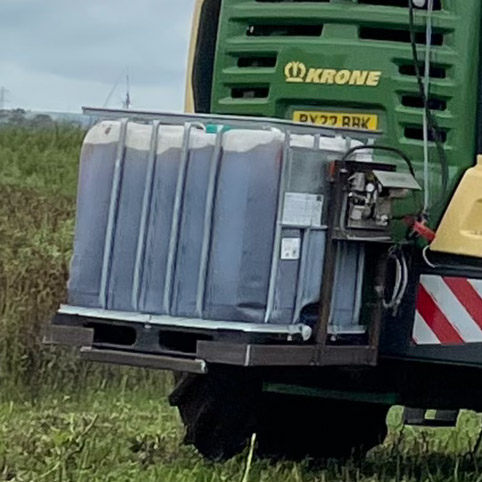
Safesil Challenge
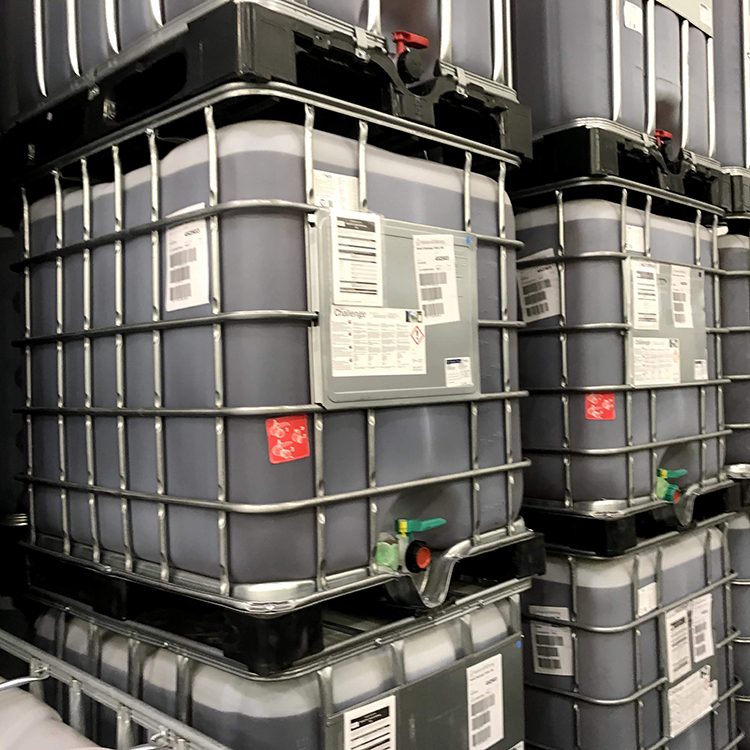
- For lower DM grass silage
- Human food-grade preservative
- Suitable for clamps, bales and ag-bags
SilageSafe
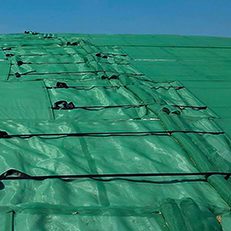
- Integrated tensioning straps
- Eliminates tyres and gravel bags
- Customised to clamp size