
Being Adaptive to Changing Conditions

The season for maize harvest is upon us and while we don’t know what the weather will bring, we do know that adaptability to changing conditions gives growers the best chance of conserving a clamp of quality feed.
And with a bumper acreage grown this year, options for many will be wide open.
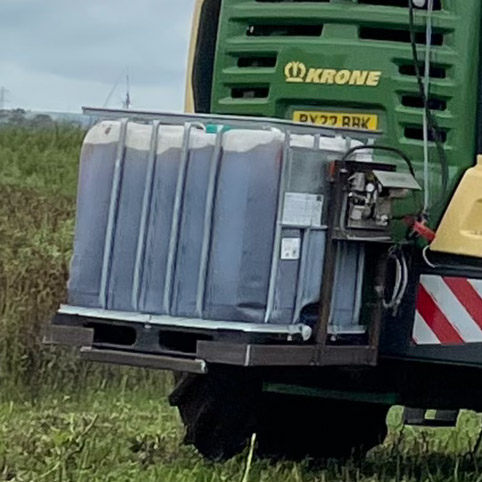
For most, the choice will be to harvest maize as silage and here, good preservation will be essential to conserve the maximum value from this high energy forage. Because maize is a crop which is prone to aerobic instability, we strongly recommend taking no chances, compacting the crop with diligence and care, and using the preservative, Safesil Pro. This product is formulated to handle the challenges from yeasts and moulds which can proliferate in the presence of air – something that’s especially important after the clamp is opened – and it’s been proven to do so over long periods of storage.
However, Safesil Pro will also kill the spoilage bacteria which may come in on the crop if it is harvested in wet and muddy conditions, so providing two levels of protection for this high value crop.
One producer who makes maize silage particularly well is Will Frost. Feeding 2,500 dairy goats and producing just shy of 3 million litres, he is prepared to take no chances with how he preserves his forage. This is especially important for goats, which require outstanding forage hygiene, being more prone to some bacterial infections than dairy cows. You can read his case study here.
Harvesting maize as grain
Other options for maize include harvesting as grain, which can produce an exceptionally high energy concentrate feed, suitable for dairy, beef and sheep, or for anaerobic digestion. If cereal stocks are low and forage stocks high, this may be a good, planned option. Or if conditions become too wet to harvest forage maize, it could be the best way to salvage the crop.
More contractors are investing in the machinery required for grain maize harvest, which ideally extends to a 4WD or tracked combine with a maize header, plus a crimping machine. This allows for a far less messy and problematic harvest of a late crop, as the combine will travel on a mat of shredded stalks and leaves, which is cut ahead of the vehicle, creating far less mud on tyres and roads. The combine can also deliver its grain to a gateway, avoiding the need for heavy trailers to traverse wet ground, and minimising soil compaction. Once back at the yard, the crop is passed through a suitable mill on the day of harvest and has the salts-based preservative, CrimpSafe 300, applied. Those who think ahead and plan for this option, have the best chance of securing the right contractor for the process later this autumn.
Cereal harvest
However, while maize harvest is under way for many, cereal harvest is incomplete for others. Certainly, on our travels, we have seen many crops yet to be harvested, particularly in the north of England and Scotland.
And as with maize, we repeat our often-used refrain, that it’s in circumstances like these that growers and livestock producers need to be nimble.
Whatever the crop, at times of uncertainty and unpredictability, being prepared to adapt and change is so often the key to making the best in difficult times.

If we have another wet autumn in 2024, harvesting maize as grain can help mitigate difficult conditions.
Crimping as a salvage option
Harvesting higher moisture grain and preserving it by crimping is one such adaptation. It’s often something we advocate early in the season, when the process offers numerous agronomic benefits, as part of a planned routine. But at this time of year, crimping can come into its own again, as the rain sets in, and windows for harvest become shorter and more infrequent.
Cereals can be harvested for crimping in much more catchy conditions, without any worries about storing dried grain. Furthermore, if the grain has started chitting in the ear, its feed value can be preserved more effectively when it is fermented in a clamp as crimp. If you’re considering this option, please do contact our office for advice, as the best process and product will depend on the condition of your crop and the moisture of your grain.
One of our featured farmers in the Autumn 2024 issue of KnowHow has crimped cereals as a matter of routine for at least 25 years. You can read about Richard Barker here, where he explains why he increasingly turns to crimping, now preserving the three types of cereal he grows on his Yorkshire farm in this way. However, there’s much more to his story, which is one of regeneration, optimism, and a better future for the farm.
Home-grown protein
Other adaptations we feature in KnowHow with increasing frequency often revolve around alternative proteins. As a company, we are deeply involved in the NCS (Nitrogen Efficient Plants for Climate Smart Arable Cropping Systems) Project and, through this involvement, we give an insight in this issue of a technique which could help remove some of the perceived barriers to feeding beans to livestock. One farmer in particular is already embracing this technique, having been an innovator throughout his farming life, and long before. You can read about how Norfolk farmer, Stephen Temple, is bi-cropping oats and beans and how he is processing the pulse and the grain in a single operation.
More results from our involvement with the NCS Project will be available in the spring, and we will bring you interim findings whenever we can.
Meanwhile, we aim to continue supporting growers throughout the UK to preserve better crops for feed and forage, protecting from the vagaries of the international feed markets.
With a smaller cereal harvest predicted this year than for many decades, our aspiration is to work with producers to help conserve the most of whatever harvest is left.
Our ambition is always to maximise feed value, minimise carbon footprint and retain more nutrients and profits on the farm through careful preservation and management of home-grown feeds. We are delighted to be working with so many of you on this journey.
You may also be interested in

Safesil user wins Silage Clamp Award
Safesil delivers the best silage from Lands End to John o’ Groats and beyond! We would like to congratulate Daniel Ritch of Brettobreck, Stormness, Orkney Isles on winning the coveted Dairy Clamp Silage class at the Agriscot Silage Competition.
Learn more
Making a proper job of silage in Devon
For Devon beef producer, Matt Widdicombe (pictured above), high quality silage is the lifeblood of his business. It’s made with strict adherence to good practice – two vehicles for compaction, good silage sheeting (both high grade side sheeting and oxygen impermeable dual top sheeting) and top-of the-range preservative, Safesil Pro.
Learn more
Bean silage and crimp drive profits in beef
Brothers, Martin and Richard Grix, have found a niche in the beef industry involving finishing cull cows as they leave the suckler herd. But the profitability of the enterprise depends entirely on sourcing cattle well from markets across northern Britain and quickly and cheaply moving animals through the system.
Learn moreRelated products
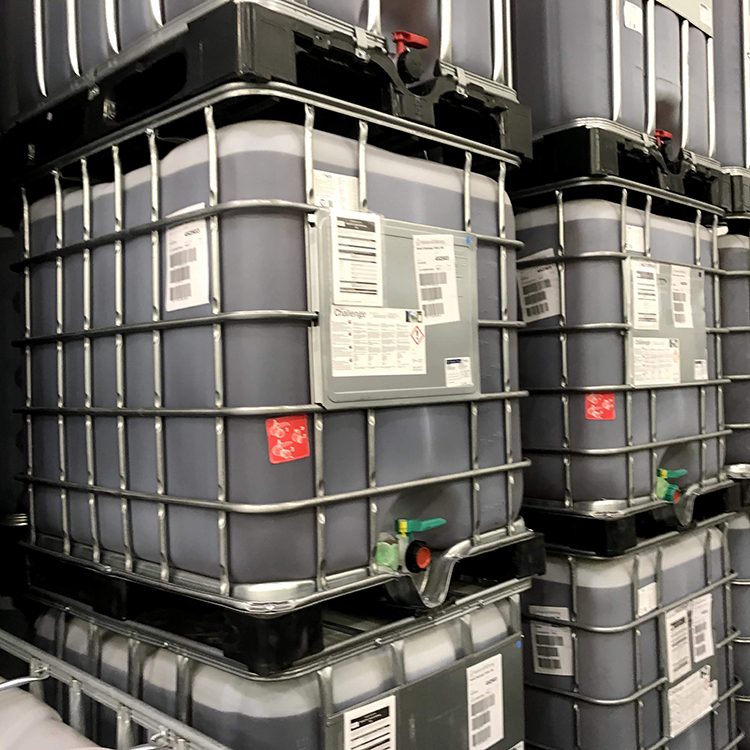
Safesil Challenge
- For lower DM grass silage
- Human food-grade preservative
- Suitable for clamps, bales and ag-bags
