
New forage means rebalancing minerals for beef

Producers may keep a close watch on energy, protein and fibre in their forage analysis. But what about minerals? Dr Donald Lawson from Kelvin Cave partners, Premier Nutrition, explains why it’s particularly important to check the mineral status of any new forage.
Optimising the performance of beef cattle requires the correct mineral and vitamin levels.
Minerals and vitamins are essential for growth, reproduction immunity and health. Minerals are generally split into macro minerals which are required in gram quantities and trace or micro minerals which are required in milligrams. Vitamins are required in quantities known as iu or international units.
To ensure that optimum levels of minerals and vitamins are supplied, supplements can be fed at 50-150g per day depending on the liveweight of the animal.
The level of minerals and vitamins in the supplement are determined by requirements indicated by the latest published research and should be balanced against the supply of the other feeds the animal is consuming.
Home-grown forage will take up a large quantity of those other feeds, and they need to be balanced. Premier Nutrition has partnered with Kelvin Cave to look at the mineral profile of one of the new forages being grown and fed in the UK – wholecrop beans.
Samples from across the UK were sent for mineral analysis by X-ray fluorescence (XRF).
Table 1: Macro minerals in wholecrop beans and grass silage
Nutrient DM Basis | Wholecrop Beans | Grass Silage | Difference |
Calcium % | 0.71 | 0.63 | +12.6% |
Phosphorus % | 0.31 | 0.36 | -13.8% |
Magnesium % | 0.19 | 0.15 | +26.7% |
Sodium % | 0.29 | 0.26 | +11.5% |
Potassium % | 1.75 | 2.47 | -29.1% |
Sulphur % | 0.19 | 0.25 | -24.0% |
Chloride % | 0.51 | 1.07 | -52.3% |
DCAD meq/kg | 313 | 278 | +12.6% |
Table one shows the average mineral analysis of wholecrop beans compared to grass silage.
Wholecrop beans had higher average calcium, magnesium and sodium than grass silage. The higher dietary cation anion difference (DCAD) is calculated from potassium and sodium compared to sulphur and chloride. In this dataset the higher chloride in the grass silage, which has been a noticeable trend this year, pushes the DCAD lower against the higher potassium in grass. Higher DCAD levels encourage higher dry matter intakes.
The lower phosphorus, potassium, sulphur and chloride are not of concern as they are all at levels above the requirements for most diets fed to growing, finishing, pregnant and lactating beef cattle.
The difference in average levels of micro minerals showed more variation, with manganese showing a 67% lower level in the wholecrop beans than in grass silage. For autumn calving suckler cows, this should be kept in mind when shortage of manganese can cause issues with long bone development in the calves. Slightly higher zinc and copper levels are seen in wholecrop beans. The impact of high copper levels on lowering the fertility of maiden heifers shown in recent work at Harper Adams University means that we need to make sure that we take this higher base level into account.
Table 2: Micro (trace) minerals in wholecrop beans and grass silage
Nutrient | Wholecrop Beans | Grass Silage | Difference |
Manganese mg/kg | 27.9 | 84.7 | -67.0% |
Zinc mg/kg | 37.5 | 28.4 | +32.0% |
Cobalt mg/kg | 0.08 | 0.18 | -55.0% |
Selenium mg/kg | 0.05 | 0.06 | -16.7% |
Copper | 9.30 | 7.65 | +21.6% |
Molybdenum | 1.36 | 1.86 | -26.8% |
Cobalt levels are lower in the wholecrop beans which can potentially reduce vitamin B12 synthesis which is required for growth. Premier Nutrition is unique in that they add Vitamin B12 rather than cobalt and so take out the middle step to ensure the animal has the vitamin B12 levels required.
Molybdenum is lower in wholecrop beans but both molybdenum and grass are at levels that should not pose risk of copper antagonism.
If feeding a new forage source to your herd, it is always worth running a mineral audit to make sure the mineral and vitamin supplementation doesn’t require reformulating.
Premier Nutrition is delighted to partner with Kelvin Cave as their chosen mineral and vitamin supplement suppliers. Based in Rugeley, Staffordshire, Premier Nutrition was founded in 1991 by two nutritionists. The business has grown and now manufactures at three sites, with two in Rugeley and the most recent in Fradley Park, Lichfield which is the most modern and efficient premix facility in the UK.
The unique manufacturing process used by Premier Nutrition ensures no cross contamination, and the Rugeley facility where ruminant products are manufactured has ISO 22000 certification for food quality manufacture.

Dr Donald Lawson began his career as a ruminant nutritionist with a national feed company after completing his PhD at the University of Glasgow. He later moved to a family-run feed compounder and on to Premier Nutrition in 2011. He now heads a team of four ruminant nutritionists. Passionate about advancing on-farm performance, he takes a particular interest in the latest research on mineral and vitamin supplementation and its impact on cattle health, fertility and productivity.

Request a call back
You may also be interested in

Wagyu on grass silage-based ration boosts financial performance
First buying 87 head in 2022, he had to overcome preconceptions about the breed which he quickly discovered were misplaced.
A total mixed ration was compiled by independent nutritionist, Lizz Clarke, which comprises grass silage, waste potato chips, barley, Vitagold, with minerals and limestone flour.

To crimp or not to crimp by Lizz Clarke, LC Beef Nutrition
Having worked independently in beef nutrition for 14 years, I can certainly say that crimping grain has made a huge difference to a number of my customers, and the answer is yes, seriously consider crimping.
Learn more
Somerset Farmer Predicts Change in Livestock Feeding
Somerset farmer, Keith Barrow, has changed the way he feeds his cattle and has reduced costs, improved nutrition and opened opportunities elsewhere on the farm.
Beef and sheep producer, Keith Barrow, believes a revolution is coming in the way we feed grain to our livestock and fails to understand why the system he is using on his West Somerset farm has not taken hold across the farming industry.
Learn moreActivator +

- Contains lactobacillus plantarum
- Supplies 1,000,000 bacteria per gram of forage
- Suitable for organic farmers
MultiMax
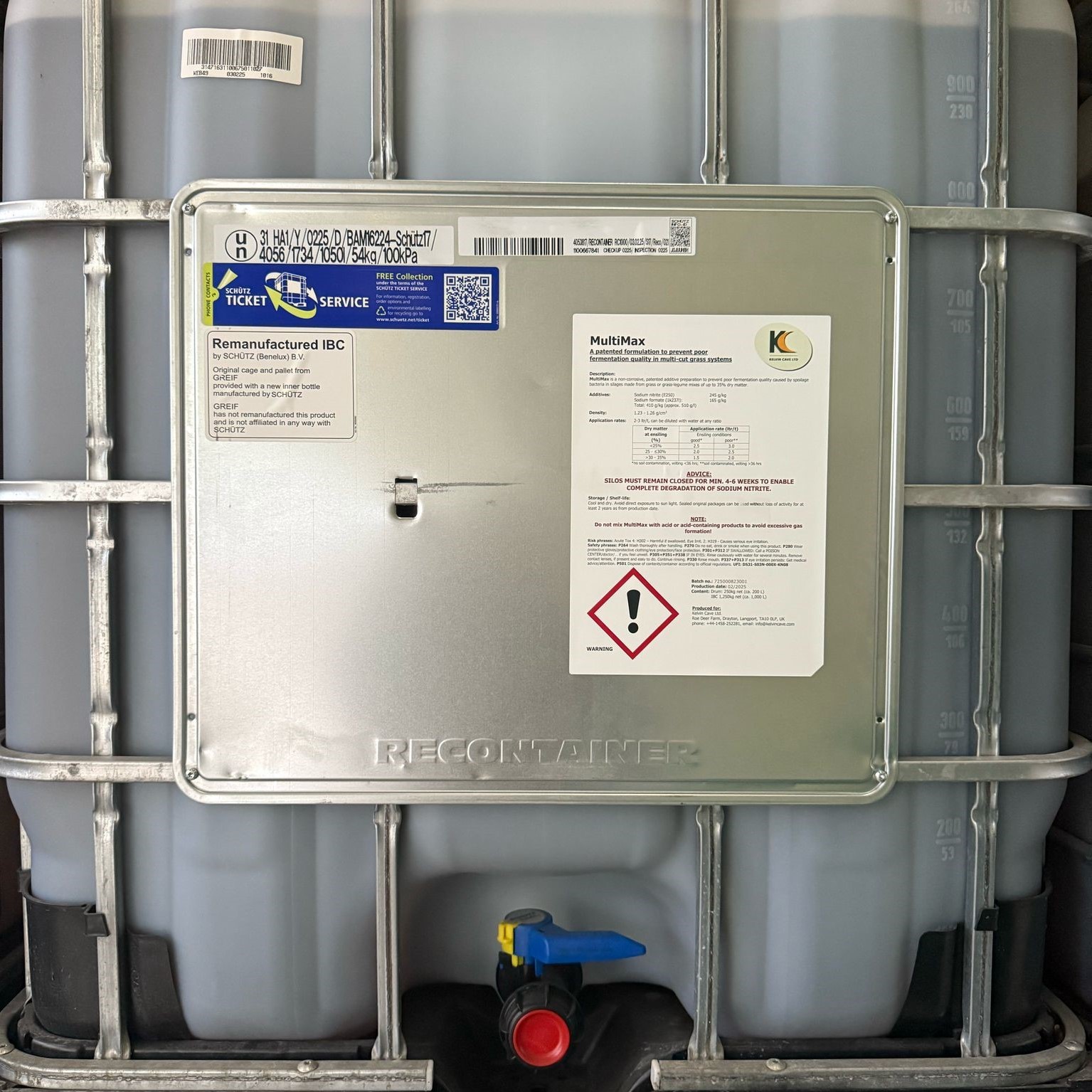
- For multi-cut grass systems
- Suitable for grass and legume silages up to 35% moisture
- Formulated to eliminate spoilage bacteria
Safesil Challenge
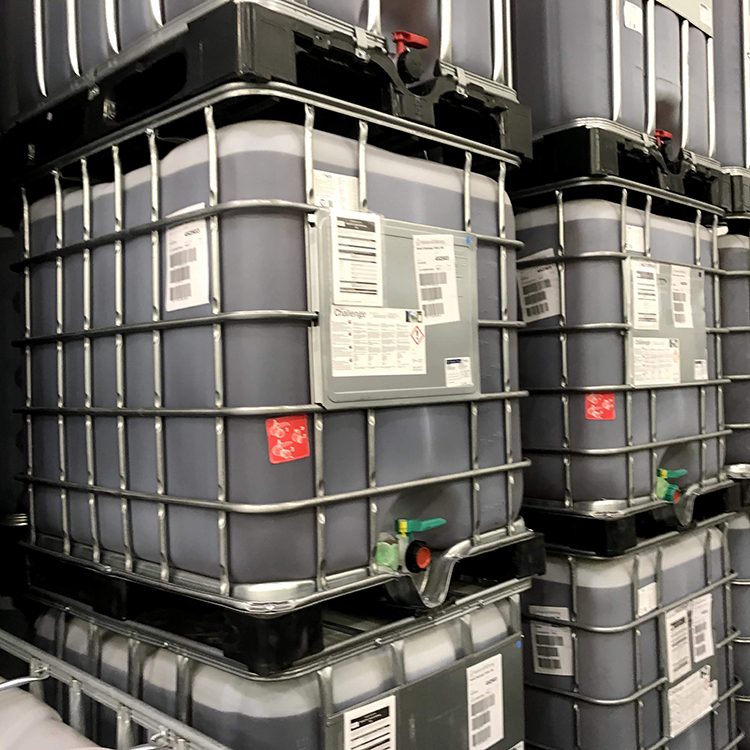
- For lower DM grass silage
- Human food-grade preservative
- Suitable for clamps, bales and ag-bags