
Home-grown feeds Seek and Sell cuts out the middleman to keep costs down

We regularly meet farmers who are keen to introduce crimped cereals or more sustainable protein crops into their feed but are unable to do so due to factors beyond their control, such as their location, soil quality, or stocking density. We also have customers who crimp sufficient stocks to meet their needs but would happily produce more if a ready market was available. Finding a way to connect the two seems the obvious way forward.
Whilst there has always been some trading like this on a very local level, and crimped maize is often traded in this way, increasing such transactions could bring a real benefit to both grower and feeder.
Due to the increased cost of fuel and energy used in transport and third-party processing, the ‘middleman’ is needing an ever-increasing slice of the cake. Reducing the food miles between field and trough and keeping processing simple and local is a relatively easy way to reduce costs. The reduction in carbon footprint from this shortened supply chain will benefit the environment too.
Thus is born “Home-Grown Feeds Seek and Sell”.
The introduction of our free-to-use service, which can be accessed through the home page of our website, is an easy way for buyers and sellers to meet and work together. Kelvin Cave Ltd takes no responsibility for the accuracy of the information posted or for the financial dealings. We advise that any due levies should be paid to the relevant organisations.
Our claim that improvements can be achieved in terms of increased milk yield and quality, daily live-weight gain and (most importantly) profitability when maximising the quality and quantity of home-grown feeds is underpinned by robust trial data. This is also backed up by many farmer case-studies, as seen in previous issues of KnowHow. It makes sense that for those who cannot grow their own crops the next best thing is to source these feeds direct from other farmers, as close to home as possible.
With the increased cost of drying cereals, arable farmers would also benefit from looking at this alternative route to market, although it may seem a little daunting to deliberately cut a crop early and try to get a ‘dirty’ sample. However, the proven increases in dry matter yield, extending the harvest window to reduce pressure on staff and machinery, and freeing up land earlier for cultivations will all bring benefits. Adding a legume to the arable rotation as a break crop will also benefit the soil structure and weed control as well as fixing valuable nitrogen. Selling such a crop to a stock farmer will mean it can be harvested earlier for wholecropping, crimping (as shown in the Pantyderi article on page 4) or rolling and applying Propcorn NC at harvest. This earlier harvest will eliminate the cost of drying and reduce the risks posed by harvesting late, such as establishing the following winter cereal.
Our proven preservatives and clamp management products combined with our practical advice, backed up by our network of approved crimping contractors, will make the whole process of buying and selling on “Seek and Sell” as efficient and profitable as possible for all.
You may also be interested in

Adding value to your grass silage
It will not be long before we hear the familiar sound of the forage harvesters in the fields gathering in the grass to ensile for this year’s winter feed. Love it or hate it, it’s a major part of the farming year and the basal feed for many farmers, but do we give it enough attention to get the most out of this valuable product?
Learn more
An Overview of the Place for Beans – Starting and Finishing with Your Policy
It was, however, CAP reform that started some mixed farmers thinking about how best to make the most of the greening regulations to maximise their home-produced protein and reduce their outgoings. Since then the national crop area of beans, practices of home feeding, and utilisation within the feed industry in general have increased.
Learn more
All you need to produce show-stopping silage time after time
All you need to produce show-stopping silage time after time
Learn moreRelated products
Propcorn NC

- Safe, non-corrosive grain preservative
- For whole and processed grains and pulses
- Increases energy levels in feeds
CrimpSafe Hi-dry
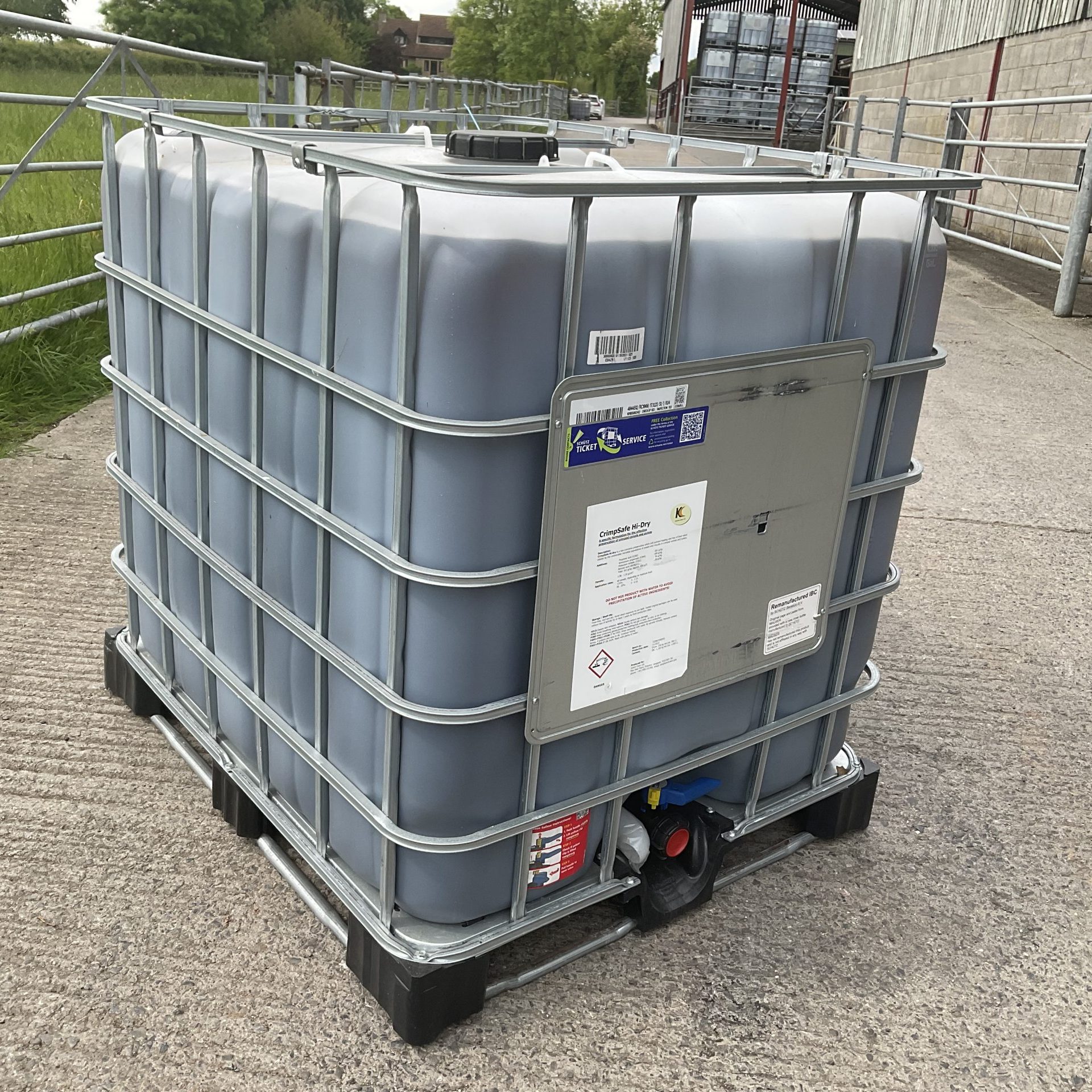
- For crimped grain drier than 30% MC
- Will flow through hoppers
- Can be clamped outside
