Cutting the cost of feeding for robot-milked Jerseys


Home-grown crimped concentrate feed and high-quality silage slash feed costs on Somerset farm.
Dairy farmer, Laurence Wadman, continually strives to make more milk from home-grown feeds on his family’s Somerset farm, which he says will be more important this season than ever before.
Farming 540 acres at Elliscombe Farm, near Wincanton, the family keep 244 Jerseys which average just shy of 7,000 litres at 5.60% fat and 3.85% protein. And with cows milked through four Fullwood robots, which only dispense compound feed, the drive to use home-grown is all the greater challenge.
Success according to Laurence depends on growing and preserving the highest quality forage and concentrate feed, and using this in a partial mixed ration comprising grass and maize silage with moist crimped wheat and maize and a protein blend. This is fed throughout the year, including through the grazing season which runs from after first cut silage to September for the year-round calving herd.
Maintaining the quality of each ingredient is a key focus of the system, and all attention is directed on grass silage at this time of year.
Four cuts and young leys will be integral to achieving high energy values, with the hope that this year’s first cut can mirror the success of last year’s. This analyse with a metabolisable energy of 12.2MJ/kg DM and a D value of 76, with sugar running at a phenomenal 20%.
The silage was preserved with Safesil Challenge from Kelvin Cave Ltd, for reasons Laurence describes as ‘belt and braces’.
Apart from its high energy and digestibility values, he says the resulting silage also had high intake characteristics.
“It was so good that when the cows heard the wagon they just got up and went straight to the feed fence,” he says. “There was so much sugar in it that they were like bees round a honeypot.”
David Warner from Kelvin Cave Ltd explains how the Safesil range of preservatives helps control the fermentation process, producing enough lactic acid to stabilise the silage but not so much that sugars are depleted in the process.
“If lactic acid is above 10% then too much sugar may have been consumed in the preservation process and palatability may be reduced,” he says. “Although lactic acid and sugars give important nutritional value to the silage, they can also both be used to feed undesirable microbes.”
This explains why Safesil plays such an important role, as it actually destroys undesirable bacteria, yeasts and moulds, and controls the fermentation, quickly preserving the feed value and limiting dry matter losses. For this reason, it is recommended over biological inoculants, which simply encourage fermentation in a particular direction.
“Cutting invisible losses is just as important when grass quality is high as when conditions are challenging, as in high quality grass there is more feed value to potentially lose,” he adds.
Laurence’s experience with last year’s first cut bears this out, with its outstanding energy and intake characteristics. And when feeding it last summer he calculated how much this, in combination with the high-quality crimped wheat and maize – both preserved with CrimpSafe 300 – saved in feed costs.
“We calculated that we saved almost £1 per cow per day in our milking herd ration, saving us £200 per day at that time,” he says. Feeding this ration at maintenance plus 14 litres at grass last summer (M+18 through the winter), he was able to cut out other energy-boosting ingredients, most importantly protected fat. “Losing the fat alone saved about 45p per head per day at the time, and with rising prices, we’d expect this saving to be higher this year,” he says. Milk from forage was also high at a 12-month rolling average of 2,800 litres. However, he regrets he was unable to continue this level of saving through the latter part of 2021 as second and third cut silage, one of which was lower in protein, were introduced to the ration.
Other practices to help keep forage at the highest possible quality include reseeding around 20% of the farm each year with high-sugar grasses, maintaining white and red clovers in grazing and cutting leys respectively, and taking complete control of the silage-making process. Operating a contracting business and offering silage-making for around six farms, he admits this is as much to justify having the silage-making kit and controlling his own silage as for the income it brings. Whilst he favours taking multi-cuts of silage he says this year, everything will be up for review, especially in the face of red diesel prices.
Request a call back
You may also be interested in

21st century silage feeds Jurassic beef
Eric and James Sealey could never be accused of failing to grasp opportunities as they arise. Quick to see trends on the horizon and fast to respond, the father and son team have built a business which began life with meat sales from the back of a van; grew its turnover to £2.3 million by mid-2022; and will reach £2.5 million and rising by the end of this year.
Learn more
Arable farmer ditches combine in favour of forage
A Yorkshire farmer has turned a difficult situation following this summer’s drought to everyone’s advantage in a move which could be replicated across the country to help alleviate the forage crisis.
Learn more
As input costs rise, is it time for a reset?
Rising input costs require a short, medium and long-term strategy if we are to protect and develop profitability.
Learn moreRelated products
Safesil Challenge
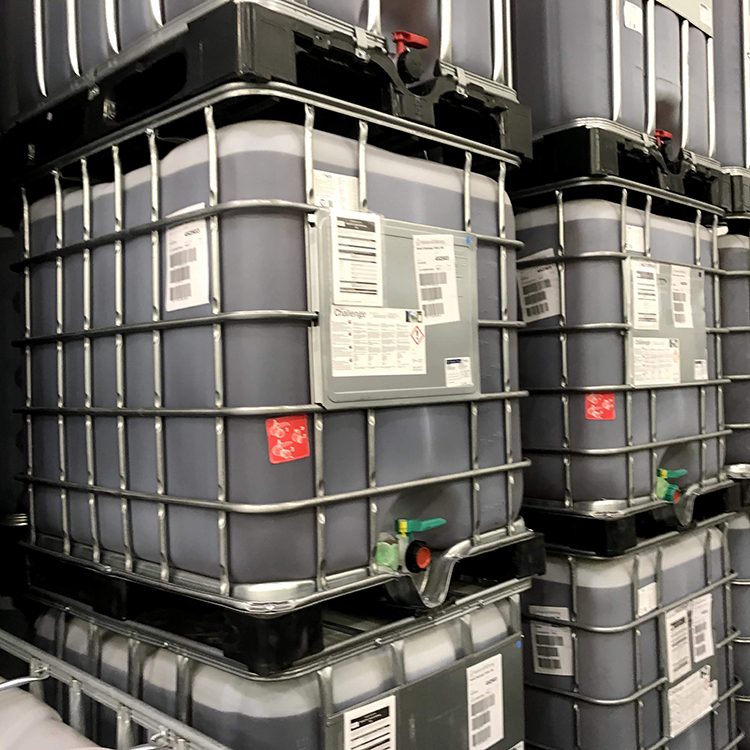
- For lower DM grass silage
- Human food-grade preservative
- Suitable for clamps, bales and ag-bags