

10 tips for silage success
- Allow time after nitrogen (N) application before cutting. A new perennial ryegrass sward can utilise 2.5kg/ha/day of N, so have an idea of the time required for N to be taken up, although this will be weather-dependent. If using slurry, know its composition, and if in doubt, test your sward for nitrate nitrogen before cutting.* High nitrates will compromise silage fermentation.
-
Cut grass when it’s young to maximise digestibility (D value). As grass matures and yield increases, metabolisable energy (ME) and digestibility decline. D value falls with the onset of stem formation and heading (up to 0.5 units/day), so don’t be tempted to sacrifice quality for quantity by delaying harvest. High D values will increase dry matter intakes (DMIs), milk yields, protein, liveweight and carcase gain. This applies to second and subsequent cuts, so cut every 30-35 days to ensure young, leafy grass is harvested.
- The cutting height should be at least 5cm. Stubble allows airflow under the swath, speeding up wilting. In a new reseed or on legumes, its height should be increased to 7.5-10 cm.
- Wilt rapidly by spreading the grass. Wilting quickly will minimise field losses as the grass continues respiration after cutting. Sugars are turned to carbon dioxide and water, and ME declines. Don’t wilt for longer than 24 hours.
- Adjust chop length according to dry matter. Chopped grass releases more sugars when picked up and is more efficiently fermented. But vary chop length according to DM to aid compaction, minimise aerobic spoilage, and avoid slippage. If DM is less than 28%, a 10-12cm chop length is not too long. Grass with over 35% DM should be chopped to 2cm.
- Use an additive to promote a desirable fermentation. Choose either an inoculant or a chemical, salts-based preservative. If using an inoculant, make sure the bacteria supplied are homo-fermenters. These produce lactic acid, which reduces the silage pH. Avoid hetero-fermenters, as these promote undesirable fermentation pathways, which produce numerous end-products which cause dry matter loss and can suppress intake. Silage preservatives (like Safesil Challenge, Safesil Pro, and MultiMax) actually kill undesirable bacteria and stabilise forage more quickly, reliably, and effectively than other methods.
- Prepare the clamp. Ensure the clamp is in good repair, free from old forage, and, if necessary, pressure-washed clean. Line walls with side sheeting will help create an airtight seal to cut aerobic spoilage and prevent concrete from being degraded. Acidic silage in contact with alkaline limestone in concrete degrades the concrete and raises the silage’s pH in the side walls’ region. This allows undesirable microorganisms such as enterobacteria, yeasts and moulds to grow, degrading silage quality in this area. We know side-sheeting isn’t the most popular job, but we have KlampClips and SiloBond to make it much easier! Drainpipes should not be used in clamp preparation – they do not effectively remove liquid but draw CO2 out of the clamp. This pulls air into the clamp, resulting in more aerobic losses. It’s far better for the clamp to remain hermetically sealed and the CO2 than oxygen to remain inside.
- Layer grass thinly across the full length of the clamp. For the best compaction, layer thinly (15-23cm) on a long, low ramp and compact each layer. Using a SilaPactor from the start of filling can increase silage density by up to 40%. However, low DM crops can be over-compacted, so don’t over-roll or use a compactor on grass that’s less than 25% DM. This could put too much pressure on clamp walls, increase effluent and cause slippage.
- Sheet, seal, and weigh down the clamp. An airtight seal is essential to avoid aerobic spoilage or water ingress, and we suggest Warner’s Corners. These involve using side sheets with a surplus of at least 1-2 metres on each side, applying your top sheet, draping the surplus sheet over the clamp walls on top of the side sheets, placing gravel bags tight to the edge of the clamp on top of the top sheet and bringing the side sheet AND top sheet together and folding inwards over the gravel bags. Weight down both sheets with ClampNet and further gravel bags.
- Keep the clamp face tidy at feedout. Moving across the clamp face quickly and tidily using a shear grab minimises air ingress. Don’t roll the top sheet back too far, but don’t allow it to hang over the face equally.
Kelvin Cave works with grassland specialist Dr George Fisher and can offer advice on grass growth and preservation.
You may also be interested in

Finding forage alternatives to concentrate feeds
Every year since he started farming in his own right, Jonathan Guilding has forward-bought concentrates to feed his beef cattle.
Learn more
Cold, dry spring calls for extra care with first cut silage
Grassland farmers have been advised that it’s particularly important to analyse their grass before taking first cut silage this year.
The unusually long, cold, dry spell through spring could have several effects, which means grass composition is more unpredictable than in a typical year.
Learn more
Bean silage and crimp drive profits in beef
Brothers, Martin and Richard Grix, have found a niche in the beef industry involving finishing cull cows as they leave the suckler herd. But the profitability of the enterprise depends entirely on sourcing cattle well from markets across northern Britain and quickly and cheaply moving animals through the system.
Learn moreRelated products
SilaPactor: Silage Compactor

- Increase DM density by up to 40%
- Up to 6 tonnes
- Speeds up silage compaction almost four-fold

Safesil Challenge
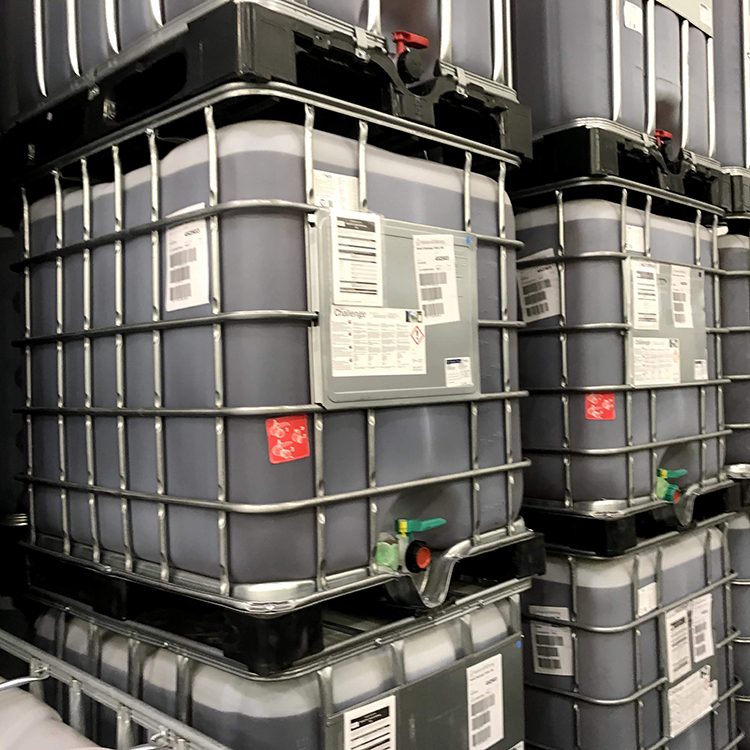
- For lower DM grass silage
- Human food-grade preservative
- Suitable for clamps, bales and ag-bags