
Yorkshire farmer says he’s buying ‘feed’ not ‘filler’’

Ian Kipling has been buying feed from Phil Metcalfe for his stock at Stone Close Farm for around 20 years. Farming 80 suckler cows plus followers and 560 ewes in the uplands near Scargill Moor in the Yorkshire Dales, he’s in no position to grow livestock feeds of his own. But any experience he’s had with compound rations has put him off buying from commercial feed companies.
He says: “You know you are getting feed and not filler with Phil’s feed. If you buy bagged nuts and look at the feed ticket, although the overall analysis may be the same, the ingredients can change.
“I’ve seen the same 16% protein feed state 15-20% barley on one ticket and 15-40% wheat on the next.
“We feed our stores on Phil’s ration (see panel) to sell through Barnard Castle Auction Mart, and we find it to be completely consistent. The cattle put on a lot of condition and look more forward when we sell. They look fit – people often ask us what we’re using.
“I do remember one occasion when we started using cake and micronized barley instead of Phil’s ration and they didn’t grow as fast and there weren’t as many ready as we wanted.
“We also found they weren’t as content on the commercial nut – always looking for more when
you came in with more bags whereas with Phil’s, they’d had their fill with proper nutrition and were far more content.”
Ian’s most recent group of predominantly British Blue x Limousin stores just sold at Barnard Castle for an average of £1,490 for 26 head at 10-14 months (May 2024).
“We’re really happy with the quality of the feed from Phil and we know we’re getting better value, as the feed companies have higher overheads to cover with the reps on the road and wagons to run,” he says.
Ingredients in store ration at Stone Close Farm
- Proflake NC treated beans
- Ensus distillers grains
- Minerals
- Rolled barley
You may also be interested in

Bean silage and crimp drive profits in beef
Brothers, Martin and Richard Grix, have found a niche in the beef industry involving finishing cull cows as they leave the suckler herd. But the profitability of the enterprise depends entirely on sourcing cattle well from markets across northern Britain and quickly and cheaply moving animals through the system.
Learn more
Better forage is central to a new way of farming
Just like many cattle farmers across the uplands of England, Geoff Roddam used to feed his stock on grass silage and bought-in concentrates.
Learn more
Going Through the Mill
Finishing 800 store cattle on the farm every year and processing all of the stock’s grain through a small static mill, the Wilcock family from Gladden Hey Farm in Wigan knew the time had come to upgrade their system.
Learn moreRelated Products

CrimpSafe Hi-dry
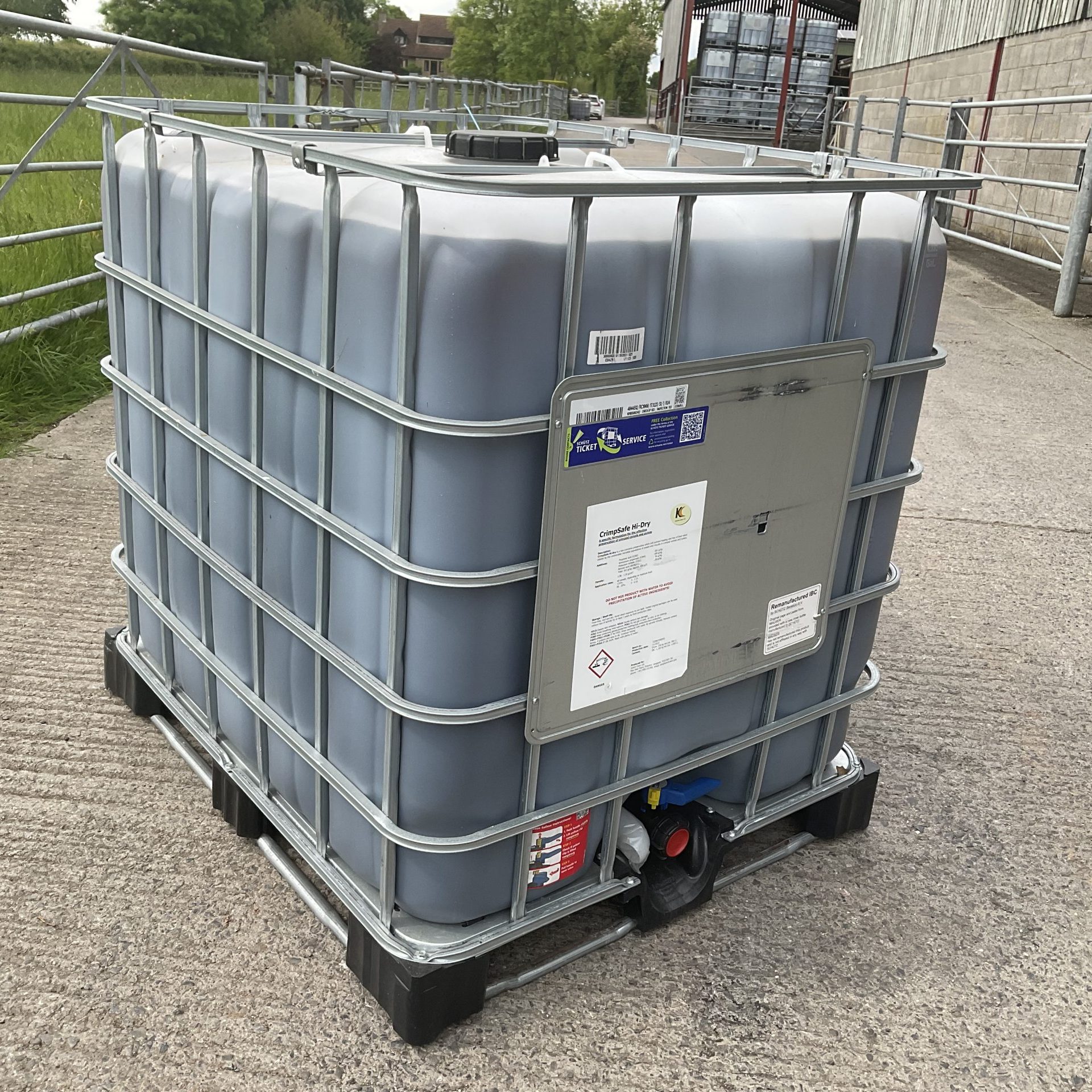
- For crimped grain drier than 30% MC
- Will flow through hoppers
- Can be clamped outside
ProFlake NC

- Dry grain conditioner and preservative
- Improves physical quality and reduces dust
- Improves feed value and storage life