Pushing the boundaries with maize

The north of England is considered marginal for maize but one Durham farming family grows and ensiles it to such an exceptional standard that the results would look impressive anywhere in the UK.
Growing maize in one of England’s most northerly counties was always going to be a challenge. But once tenant farmer, Martin Sedgewick, put his mind to it, he found he could produce a high-quality feed on which his cattle ‘have never looked back’.
Farming 930 acres (376ha) of mostly Grade 3 and Grade 4 land in County Durham didn’t portend a promising start. But Martin and his daughter, Elaine, are increasingly focussed on growing as much feed as they can at home so they can cut the cost of purchased ingredients in their beef finishing rations.
Several hundred store cattle pass through the system every year at Long Myers Farm on the Sherburn House Estate near the city of Durham. The aim is to finish them quickly and efficiently – within five or six months – and achieve grades of U3 and U4. Elaine takes responsibility for purchasing the cattle, attending marts across the north from Hexham to Carlisle, and many elsewhere. Once on the farm, the cattle graze through summer, are housed throughout winter, and are always finished indoors.


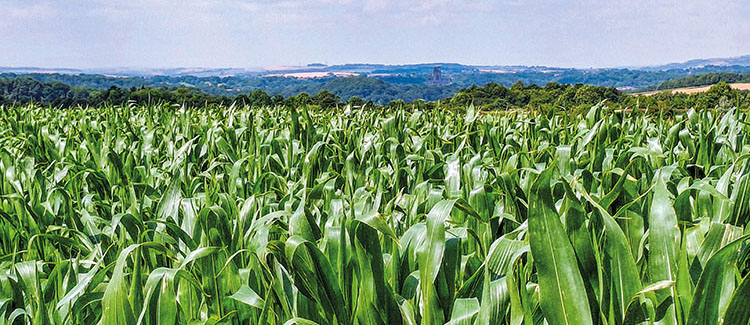
“We started growing maize to include in the finishing ration around five years ago,” says Martin. “We’d normally drill in the second week of May as we have to be careful it’s after any frost.”
Varieties have been chosen with the short season in mind, with Nickerson’s Trooper, with its very early maturity, suiting the farm’s northerly location. “We have mixed it 50:50 with Duke for the first time this year, as this new, ultra early variety is said to be well suited to marginal sites,” says Martin.
In fact, this year’s earlier spring allowed drilling to come forward and the crop was sown before the end of April. The farm’s lighter soils and flattest fields are chosen, with plenty of farmyard manure and a foliar fertiliser applied to help lift yields.
Dry conditions saw the crop struggle through May and June but growth picked up in later summer and the maize was around five feet high and forming cobs by the end of July.
“Some people in this area and further north choose to grow under plastic,” says Martin. “However, this isn’t something I like and I don’t believe any benefit is worth the cost.”
Harvest is usually in mid- to late-October, and the preservative, Safesil Pro, is chosen to ensure fermentation is fast and there’s no aerobic spoilage.
“We tried a few other products which worked reasonably well, but a neighbour was using Safesil and persuaded us to give it a try,” he says. “Once we started, three years ago, we have never looked back – it’s a bit more expensive but there’s no heat at all and it certainly protects the silage from mould.” Martin also likes the fact that the fermentation is fast and the clamp is sufficiently stable to be opened after two to three weeks, although he accepts the forage digestibility will improve if left for longer.
Exceptional clamp management
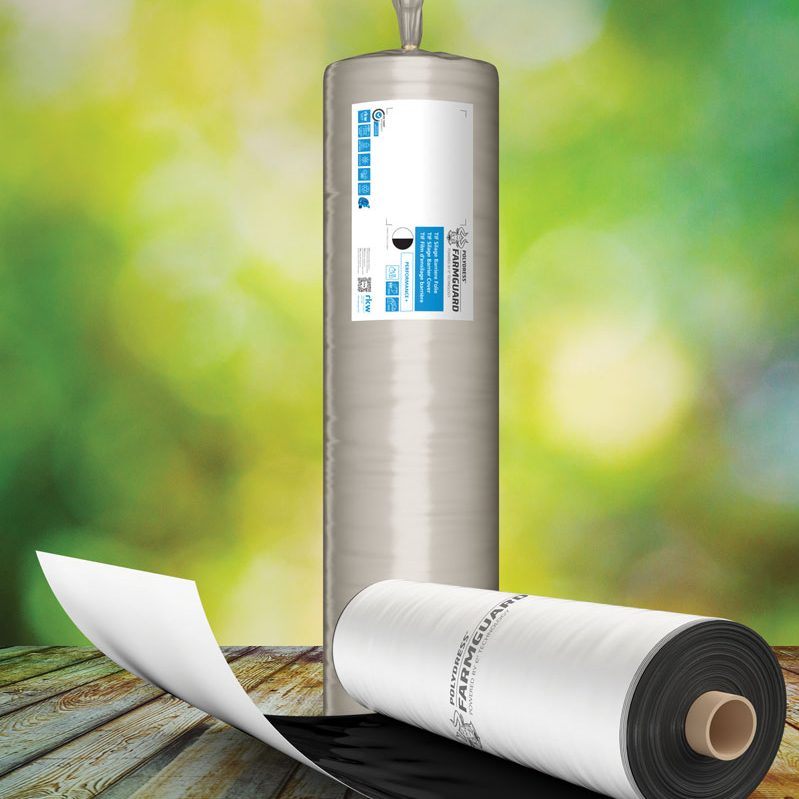
“Clamp management is also exceptional on this farm,” remarks Michael Carpenter, technical director for Kelvin Cave Ltd. “Everything about it is right, from the side sheets, the Farmguard multilayered vacuum top sheeting, the nets and gravel bags, and then the use of a shear grab at feedout which keeps a really tidy face.” Nickerson’s seed specialist, David Watson, has similar praise for the farm, and remarks: “It wasn’t long ago that no one ever grew maize in Durham, and I find it fascinating that Martin is making such a good job of doing it without plastic.”


Acknowledging that the development of new varieties has helped the crop’s spread northwards, he adds: “Martin is a trailblazer who basically does everything right, from the choice of variety to the crop husbandry and the final harvest and conservation.”
This is reflected in exceptional yields, which have always ranged from 20-25t/ac (49-62t/ha) freshweights.
Finishing ration, as mixed in the wagon
- 3 tonnes grass silage
- 3 tonnes maize silage
- 4 tonnes rolled barley
- 3 tonnes fodder beet (or potatoes)
- 200kg 50% protein blend
The reward is seen in the quality of cattle, which Martin says ‘just pile on weight when we go on to the maize’. “We weigh them regularly and their average growth is10-14kg per week during their finishing period,” he adds.
Choosing continental breeds which come on to the farm at around 350-400kg, they are finished at liveweights of up to 700kg. Sold deadweight through Woodheads for Morrisons, they rarely miss their target grades.
Other forages
Since using Safesil on maize silage, Martin has made the switch for all of his forage.
“We started Safesil on grass when we saw what it did for our maize, and this year, we have grown winter beans for wholecropping the first time,” he says. “We know they are harder to ensile so we will use Safesil Pro at the recommended higher rate of 4-5 litres per tonne.”
He hopes having the beans will allow more bought-in feeds to be cut from the ration, in particular, the 50% protein concentrate which comes on to the farm at around £800 per tonne, so even the smallest cut in use has the potential to improve the farm’s bottom line. “The challenge is always to be careful with costs, but we are prepared to invest a bit more for a product we know is paying us back,” he says.
Long Myers Farm Facts
- 930 acres (376ha) mixed tenancy in Co Durham
- Mostly continental store cattle finished to grade U3 and U4
- Grow winter wheat, spring and winter barley, peas, maize
- 30 acres of maize started five years ago in marginal region
- Maize yields have always hit 20-25t/ac (49-62t/ha) freshweights
- Winter beans (sown 16/10/24) introduced for first time
- All forages preserved with Kelvin Cave’s Safesil Pro
Request a call back
You may also be interested in

Newcomers to maize boost milk solids
When Derrick Wilson decided to grow maize for the first time on his South Wales farm, he was keen to get every practice right and make the most of the crop’s benefits for his herd of Holstein Friesians.
Learn more
Don’t delay harvest in maize thats under stress
Growers who are suffering with dead or dying maize crops have been advised to harvest the crop at the earliest opportunity. Waiting for a later harvest in the hope of higher yields and more starch is likely to be counterproductive.
Learn more
No waste on Ship-Shape Scottish Farm
A Scottish dairy producer has lifted yields by 1,000 litres and seen milk from forage peak at 5,000 litres by radically improving his grass and wholecrop silage.
Learn more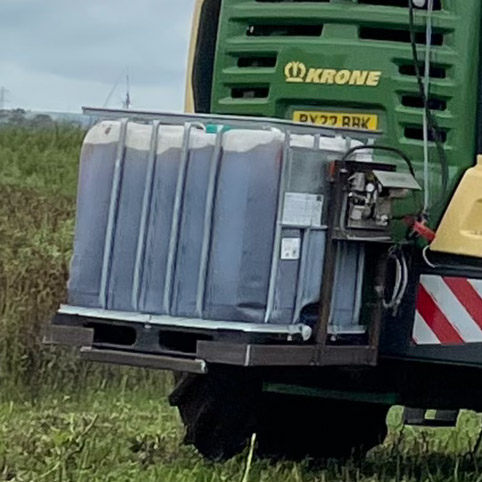
Safesil Challenge
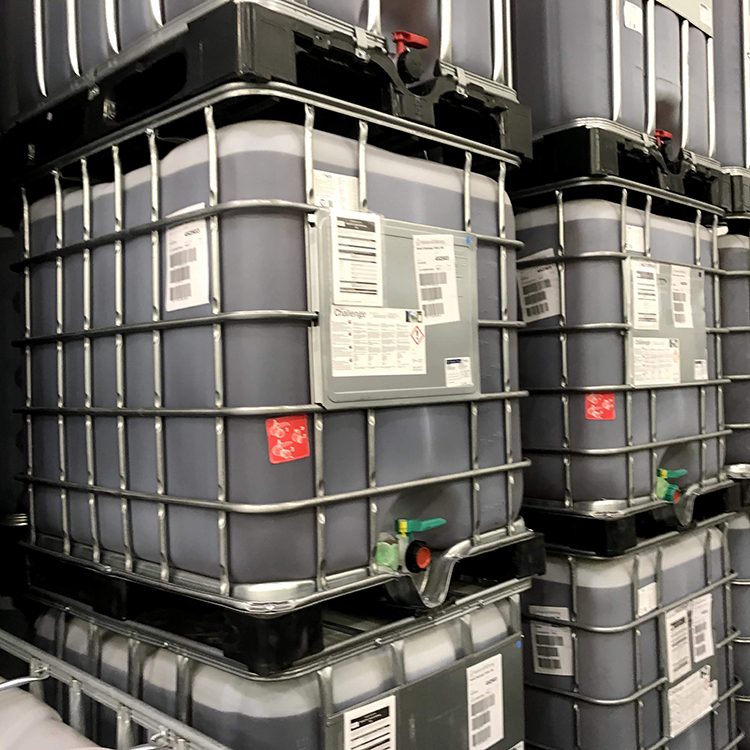
- For lower DM grass silage
- Human food-grade preservative
- Suitable for clamps, bales and ag-bags