
More Contractors Straw and Hay Goes Unwrapped

Preserving the value of home-grown feed and forage takes on an added importance this season, and farmers seek to avoid waste and achieve the highest value from everything they grow.
Rob Moore, who runs a contracting business with his father, Andrew, in Lichfield in Staffordshire, says producers in his area are more keen than ever this year to reduce any risk, and maximise the nutritional value of their crops.
When a farm’s viability depends on home-grown feeds and forage, he finds it concentrates minds on getting everything right.
This is reflected in particular in the use of BaleSafe, a preservative which allows bales of either hay or straw to be stored and kept, unwrapped, in perfect condition. This is irrespective of the weather that’s thrown at the crop at the time of harvest and is effective in hay and straw at moisture contents of up to 25%. It can also be used in wrapped haylage if required, at dry matters between 50% and 75%.
Trading as Moores Agricultural Contractors, Rob and the team run four big square New Holland balers and make around 30,000 bales of straw and hay each year. Around 2,500 acres of straw is bought in the swath, for baling and sale by the business.
Rob says: “If we can see rain coming or if the straw isn’t quite ready to conventionally bale, we would always use BaleSafe as an insurance.
“We also reckon it gives us two extra hours of baling each day – and hour in the morning and an hour in the evening – and we’ll happily use it all day to get the straw in.
“We also find we use less plastic on grass crops, as we now have the option of treating rather than wrapping” he says. “Previously, if something was not quite fit to bale, we would have wrapped it, but we can save that cost by having an applicator on the baler and using BaleSafe instead.”

In addition to offering flexibility in catchy conditions, this also ensures the company’s reputation for selling high quality hay and straw, which won’t be either dusty or mouldy, is maintained. This is achieved by the preservatives in BaleSafe which include a unique blend of propionic and benzoic acids and human food preservatives, specifically formulated to preserve higher dry matter forages.
Many of Rob’s customers also follow suit, and he describes one who grows oilseed rape after second wheat.
“It’s so important to him to get the rape sown in August that he uses BaleSafe on everything, just to get the straw off the fields straight behind the combine, and his crop into the ground a few days sooner,” he says.
The company also runs a straw grinder and Rob says the lack of mould or dust in BaleSafe-treated straw is far better for the operator, as well as the livestock.
On the Moore family’s own farm, which comprises 100 acres each of grassland and cereal and 180 acres of maize, he says he often calls upon BaleSafe to maintain the quality of forage.
Also running a Korte 1000 mill, he rolls and crimps grain for his own and his customers’ use.
He says: “We can see plantings are changing and have noticed more maize this year. This could be either foraged or crimped as a high-quality concentrate feed, which has the potential to save significant feed costs in such an expensive year.”
Request a call back
You may also be interested in

Banishing feed lorries to drive down costs
Somerset beef and arable producer, Richard Coles, has substantially reduced his costs of production by cutting out expensive, bought-in ingredients and replacing them with home-grown feed, including high protein beans.
Learn more
Everyone’s A Winner
They say that gambling is a mug’s game, and that’s certainly true when it comes to taking risks with your valuable home-grown crimped feeds. However, by putting your smart money on the combined use of these proven products, you’ll be on a winning streak every time.
Learn more
Going Through the Mill
Finishing 800 store cattle on the farm every year and processing all of the stock’s grain through a small static mill, the Wilcock family from Gladden Hey Farm in Wigan knew the time had come to upgrade their system.
Learn moreRelated products
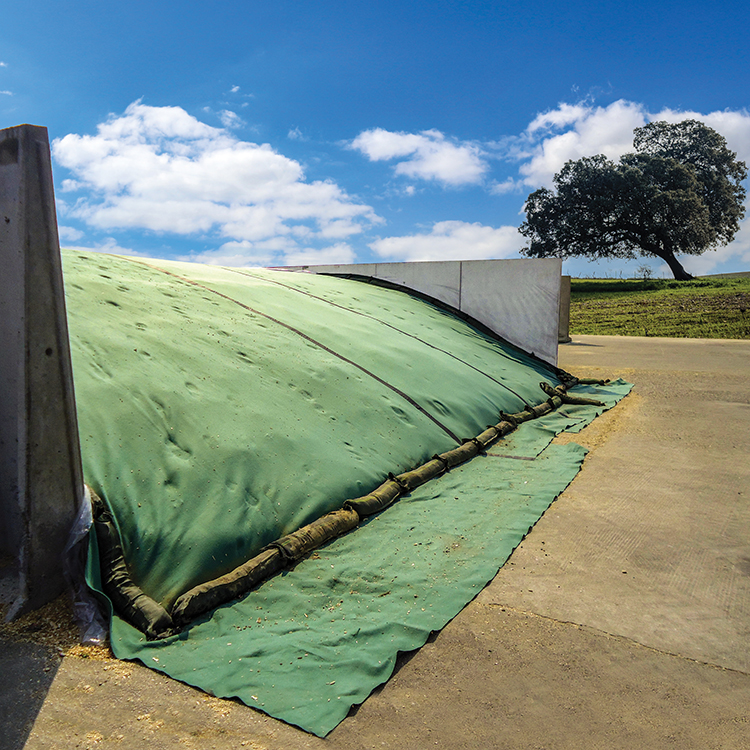
BaleShield 160

- Breathable and water repellent
- Helps prevent mould growth
- Helps to protect wrapped bales from bird damage
Murska 1000HD
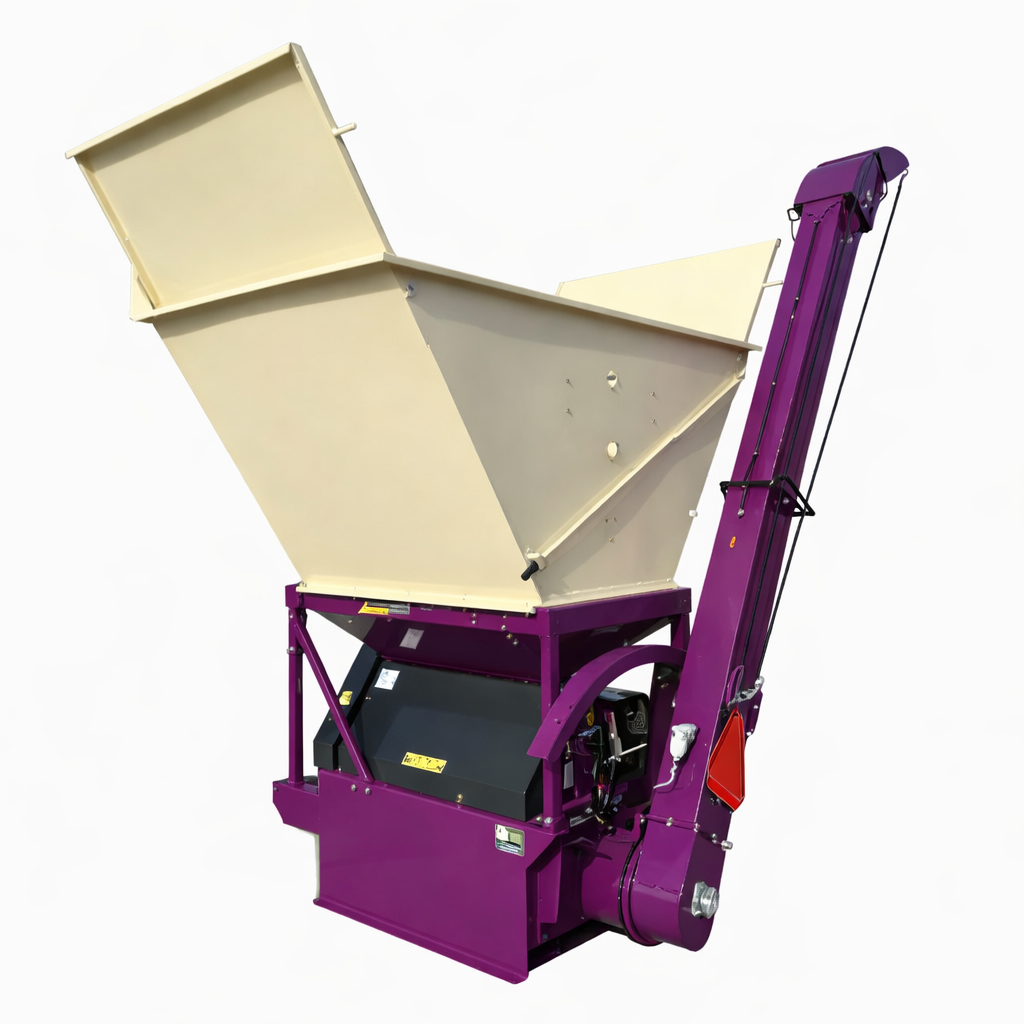
- Output 15-20 tonnes/hour
- 2mm fluted rollers process all cereal and pulses down to 45% moisture
- 3m chain and flight discharge elevator