
Do Yourself and a Neighbour a Favour, consider farm-to-farm trade

Farming in a UK climate requires nothing if not adaptability. This season is demonstrating this more than many, as the long, wet winter continued into a cold, damp spring producers are facing challenges from the weather to which they are adapting to survive.
Many of our new and existing customers have reached for the power of Safesil with their first-cut silage, ensuring the best possible outcome – whether on land that’s been flooded, become rutted and at risk of causing soil contamination, or where nitrogen was applied later and high nitrate levels are a potential concern.
Second and subsequent cuts may continue to be challenged, especially if slurry applications have to be left until later in the season. For while slurry adds useful crop nutrition, it inevitably comes with a cocktail of undesirable bacteria that’s inoculated into the grass crop. Biological silage additives just can’t compete against this onslaught, which is why Safesil – which will actually kill undesirable bacteria such as clostridia and enterobacteria – is the only product we would recommend to give certainty of a desirable fermentation. We are delighted we have these premium products in the Safesil range, which are giving so many producers the reassurance they can’t get elsewhere when preserving their valuable forages.
Crimping spring barley
Looking ahead to summer’s grain harvest, we have heard that in some areas, only around 60% of land destined for winter cereals was drilled, which inevitably means that on both mixed and arable farms, the acreage of spring barley grown will be higher. And here’s where adaptability and open-mindedness can come into play again.
Spring barley, especially late-sown crops, with some being drilled as late as early May, really does lend itself to crimping. It is often a crop which ripens unevenly and is difficult and expensive to dry, whereas conserving the crop with a preservative in the independently proven CrimpSafe range handles the uneven moisture content across the grain sample.
Although not commonplace in the UK, trading these crimped cereals at harvest can be very worthwhile. If purchased fairly, on a dry matter basis, the livestock farmer will be paying the same as for a dry cereal. However, crimp has been proven in numerous trials to perform better in terms of milk yield, butterfats and daily liveweight gain than dried cereals. It is favoured by independent nutritionists as it is kinder on the rumen and can be safely fed in higher quantities to dairy and beef cattle and even sheep.
Furthermore, the arable farmer will also benefit from harvesting crimp, as dry matter yields are proven to be 20-30% higher at harvest than drier cereals. This may sound improbable, but it’s logical and stems from the fact that the younger crop has not begun to senesce and lose its dry matter – or in fact some of its nutritional value – both of which decline as the crop matures.
However, the benefits of crimp do not end there! Without even taking drying costs into account, perhaps the biggest benefit to the grower is the three-week earlier harvest, allowing more time for autumn cultivations and helping to get the crop rotation back on track. Many growers cite this as their biggest attraction to crimp.
So, why not approach a neighbouring farmer, as trading crimp can provide a win-win situation for both livestock and arable producers. It’s an easy question to ask; you could be doing them a favour and the worst they can say is no!
You may also be interested in

Wet Weather Recovery Ideas
We are (hopefully) coming out of one of the most prolonged wet periods that most of us have ever experienced and normal winter cereal sowings are down by 65% to 85% in many parts of the country. This will, almost certainly, result in strong winter wheat prices in the coming year as well as disruption to cropping rotations into 2021.
Learn more
Very real problems – Very real solutions
Faced with rising fuel and fertilisers costs, reduced margins and unprecedented extremes of weather, Britain’s farmers are looking more than ever at ways to reduce overheads, improve yield and work more efficiently.
Learn more
Making the most of what you’ve got
With the cost of feed and other farm inputs rising, taking a whole farm approach when planning for your livestock diets for the coming year will reduce exposure to price volatility and protect your business for the future.
Learn moreRelated Products

CrimpSafe Hi-dry
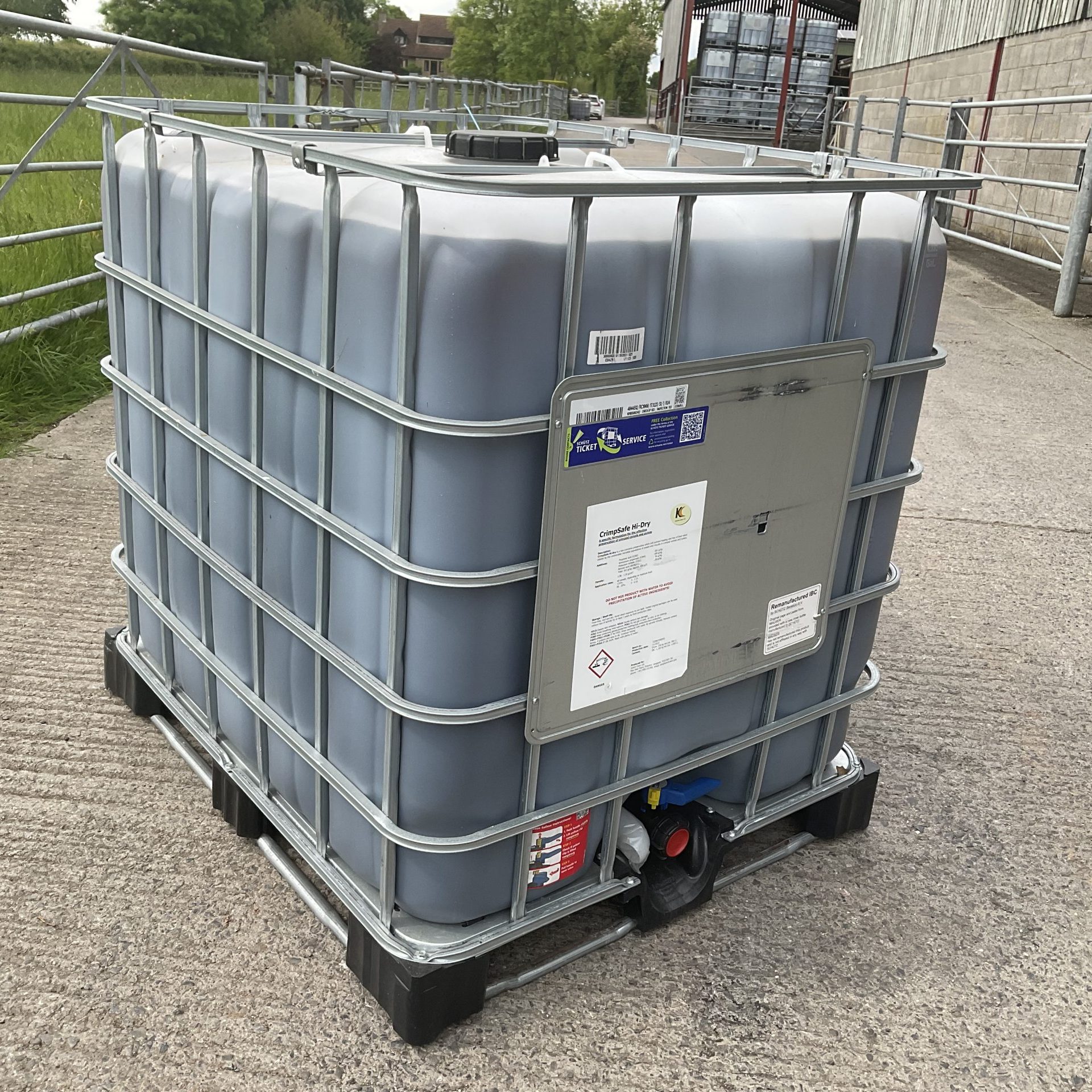
- For crimped grain drier than 30% MC
- Will flow through hoppers
- Can be clamped outside