
Cutting risk in cereal and forage on LFA farm

Using preservatives for cereals and forages on a Scottish farm has made hay-, haylage- and silage-making a completely flexible process, cut the risk from cereal harvest and improved winter feed quality and the performance of stock.
Making good hay, haylage and silage is one of the eternal challenges of the Scottish farming calendar but if the risk can be removed, or at least reduced, it not only cuts anxiety, but also provides the assurance of high-quality winter forage.
Andrew Adamson appears to have cracked the code on Netherurd Home Farm in Peeblesshire, where, despite the high rainfall and altitude, he says: “We have not disposed of a single bale in the last five years.”
Farming 690 breeding ewes together with 150 hoggs and 200 bought-in store cattle across the 570 acre (230ha) holding, he aims to grow as much of their feed as he can. Apart from around 50 acres (20ha) of cereals for crimping (see page 13), the remainder of the farm is down to grass which means preserving its quality for winter feeding is the top priority.
Using a preservative
Using preservatives on the grass, whether it is cut for silage, haylage or hay, has become standard practice, as feeding anything but high-quality forage is considered to have an unacceptable impact on animal health and performance.
Consulting Kelvin Cave Ltd, specialists in feed and forage preservation, he opts for different preservation products depending on the dry matter of the forage.
“Hay is important for our farming system because we feed our cattle a fair bit of grain and we find good hay in the diet slows down rumination and improves their digestion and performance,” he says. “We use the preservative BaleSafe on all the hay we bale as we know it will be exactly the same when we feed it out as when it was baled.”
Ian Hall, Scotland manager for Kelvin Cave explains: “Using BaleSafe means you can preserve hay at up to 25% moisture which you can store unwrapped.
“The additive contains human food-grade preservatives which stop the development of yeasts and moulds, which explains why Andrew’s hay always stays fresh.”
It also saves the cost of wrapping which would be necessary in untreated forage above 15% moisture. Depending on the number of bales to the tonne and their moisture content, this represents a net saving after the additive cost of around £4 per tonne. “We’re also expecting plastic manufacturers to hike their prices so this is likely to be a conservative estimate of the saving,” he adds.
But the Scottish weather is often not conducive to haymaking and the majority of the farm’s grass – around 800 bales – is preserved at a higher moisture content as either haylage or silage.

“We feed silage to the sheep as well as the cattle, and for this reason, our main concern is getting a good fermentation and avoiding listeriosis,” says Mr Adamson. “We know listeria can proliferate in poorly fermented silage and I’ve seen it cause some serious damage on sheep farms. It’s the last problem we’d want to have here.”
For this and other reasons, he preserves both haylage and silage with Safesil Challenge which destroys undesirable bacteria as well as yeasts and moulds in these forages.
“It’s very easy for us to switch between the different preservatives as conditions dictate,” he says. “We keep the product in a 200-litre barrel on the front of the tractor, and we can do a full change in the field between products in the space of five minutes.
“Whatever forage we’re making, we have the complete flexibility to bring it in as weather conditions dictate,” he says. “If, for instance, we are making hay and we see rain is coming, we will just bale it straight away using BaleSafe, even if our hope had been to dry it for longer.
“Or if we’re making silage and the weather threatens, we will just get it baled using Safesil, and wrapped.”
Also taking other measures to help achieve forage quality he says a long sward residual, of up to 6cm, will help avoid soil contamination.
“This will help avoid the introduction of undesirable bacteria into the forage and will also give us faster regrowth,” he says.
Wrapping and stacking are also considered critical to the success of the process with haylage and silage wrapped using six layers of plastic, applied by contractor, A Kinloch.
“By stacking these on the flat end, like a stack of bean tins, the thickest plastic is to the ground and the sky which adds extra protection.
“Since using this range of preservatives and wrapping with the six layers, we have not disposed of a single bale in the last five years,” he says.
The system not only achieves cost-effective feeding and superb animal performance on Netherurd Home Farm, but it has also shown that farming in a less favoured area at an altitude of 750-1150 feet and with annual rainfall exceeding 38 inches is no obstacle to reliably making high quality forage, year in, year out.

Forage type | Moisture content | Wrap needed | Preservative recommended |
Hay | 15% moisture and below | No | Not essential but BaleSafe will reduce dust and assist preservation if grass is diseased |
High moisture hay | 15-25% moisture | No | BaleSafe essential for unwrapped bales |
Haylage (high dry matter) | 25-50% moisture (or 50-75% DM) | Yes | BaleSafe will improve fermentation and reduce DM loss |
Haylage (wet)/silage | More than 50% moisture (under 50% DM) | Yes | Use Safesil Challenge to kill yeasts, moulds and undesirable bacteria from soil contamination |

Netherurd Home Farm facts
- Mixed farm 570 acres (230ha) in West Linton, Peeblesshire
- 90 Texel x Scots Mules; 150 hoggs
- 200 bought-in store cattle, mostly native breed
- All hay, haylage and silage preserved with BaleSafe or Safesil
- Wheat crimped and used for finishing cattle
Preservatives for grain address challenges of northerly location
Mr Adamson has made equal use of preservatives on cereals as he has on grass, using CrimpSafe Hi-Dry for the wheat he grows for his animal feed.
This removes much of the risk associated with growing and harvesting cereals in a northerly location and ensures they are harvested around three weeks earlier than conventional, dry grain.
“It also gives us a wider harvest window which is important in our location as we can’t always rely on the weather or get the contractors here exactly when we want them,” he says.
Cautious when he first switched to crimping around 12 years ago, he says: “We started with a small acreage in the first year and my main reservation was that we would be in serious trouble if it didn’t work.”
In fact, he was not only delighted with the process of crimping – which enabled him to move his grain store from a prime Grade II listed barn and into a relatively low value clamp – but he also noted an improvement in animal performance.
The grain treated with the CrimpSafe was successfully preserved without spoilage and was fed to the cattle through the winter.
“We found our store cattle actually did really well on the crimp,” says Mr Adamson. “They are noticeably more content and they also seem to find it very appetising, eating more than before and finishing really well on it. Our nutritionists and advisors at the college [SAC] are also happy with it.”
However, he has, at times, been persuaded to try other products on the grain, including some containing urea, but has not achieved the same results.
“Treating with urea products definitely didn’t produce the palatability and intakes or performance, and we found the cattle were also noticeably less content,” he says.
Mr Hall points out some nutritional benefits which explain the observations. “Crimped cereals are safer for rumen stability, and are more digestible and degradable than conventional rolled grain. More of the starch also bypasses the rumen which is linked with better performance.”
Now reverting to crimping almost all the cereals grown on the farm, which is carried out by contractor, Bill Rae, Mr Adamson says: “It’s important to use a trusted contractor and not scrimp on the process, and to use the right preservative at the right rate and consolidate the grain well.”
This course of action has not only helped him grow cereals in marginal conditions, it has also allowed him to convert his Grade II listed barn from a dry grain store into a rental property.
Request a call back
You may also be interested in

21st century silage feeds Jurassic beef
Eric and James Sealey could never be accused of failing to grasp opportunities as they arise. Quick to see trends on the horizon and fast to respond, the father and son team have built a business which began life with meat sales from the back of a van; grew its turnover to £2.3 million by mid-2022; and will reach £2.5 million and rising by the end of this year.
Learn more
All you need to produce show-stopping silage time after time
All you need to produce show-stopping silage time after time
Learn more
Arable farmer ditches combine in favour of forage
A Yorkshire farmer has turned a difficult situation following this summer’s drought to everyone’s advantage in a move which could be replicated across the country to help alleviate the forage crisis.
Learn moreRelated products
BaleSafe

- Hay, haylage & straw preservative
- For wrapped haylage 50-75% DM
- For hay up to 25% MC
Safesil Challenge
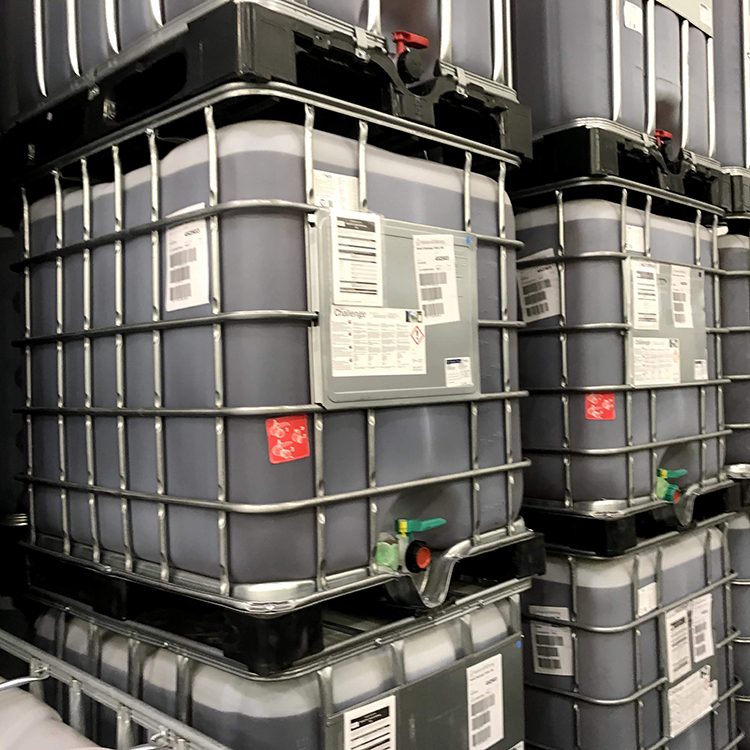
- For lower DM grass silage
- Human food-grade preservative
- Suitable for clamps, bales and ag-bags
CrimpSafe Hi-dry
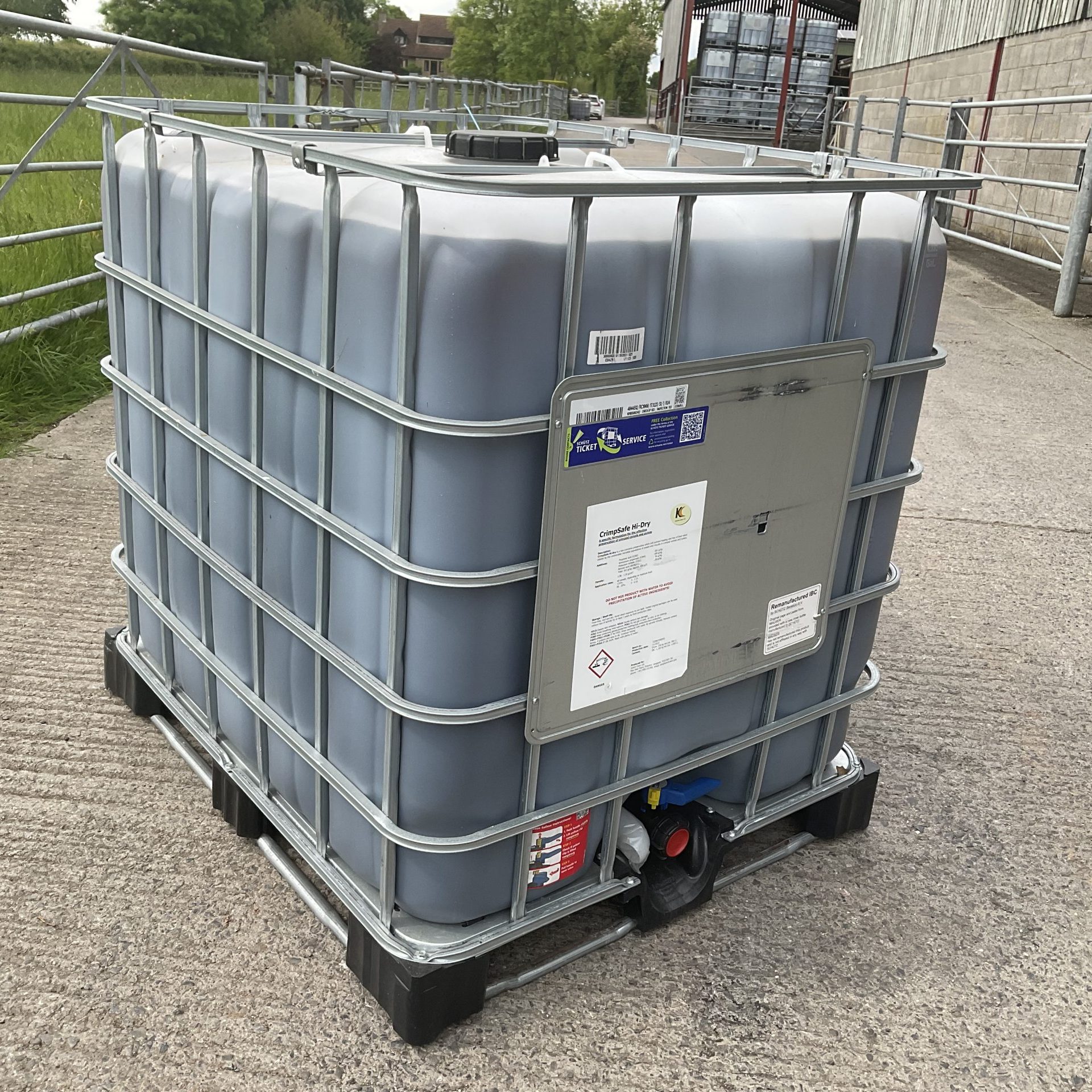
- For crimped grain drier than 30% MC
- Will flow through hoppers
- Can be clamped outside