
Crimping v Urea Treatment

The mounting economic pressures caused by soaring prices for fuel, fertiliser, feeds, and utilities are being felt by farmers around the world.
With the additional demand on farmers to reduce the environmental impact of their farming activities, improving the efficiency of crop and animal production is paramount now, more than ever, for the future of the agricultural industry. For this to be achieved it requires a significant reduction in emissions of greenhouse gases (GHG), such as carbon dioxide, ammonia and methane.
With no sign of change for the better on the horizon, drying cereals with a moisture content of 14-22% will not be an option this season due to a shortage of fossil oil and gas in combination with sky-rocketing prices. But what is the best alternative for the farmer´s pocket and the planet? The answer is simple and straightforward: stick to the standard method of treating moist cereals with propionic acid-based preservatives as opposed to urea-based products! The research behind it is very clear. There is no question about the efficacy of either method in preventing mould growth during storage. However, between the time of applying the additive and opening the clamp about 40-50% of the nitrogen added by urea-based products is lost in thin air. When the clamp is opened, up to 30% more nitrogen is lost during feed-out, which is evidenced by the smell. The urine-like smell is that of volatilised nitrogen in the form of ammonia!
Regarding treatment costs, we are looking at around £40/t for urea-based products vs approximately £20/t for propionic acid-based products (e.g. CrimpSafe Hi-Dry applied at 6 lt/t). An unlikely shortage of soluble nitrogen in the TMR can be avoided by adding feed-grade urea in the mixer wagon, which results in zero nitrogen losses by volatilisation.
In a recent beef trial using grass silage as the sole forage source, Huuskonen et al (2020) clearly showed that better dry matter intake and liveweight gain were attained by the cattle fed moist, crimped grain compared to those fed dried grain.
Furthermore, there was a lower efficiency of dietary protein utilisation by the animals fed on urea-treated grain compared with those fed on the propionic acid-treated grain. This concludes that urea-based additives are not only detrimental to the pocket and the planet but are also not beneficial to the animal!


You may also be interested in

Bean silage and crimp drive profits in beef
Brothers, Martin and Richard Grix, have found a niche in the beef industry involving finishing cull cows as they leave the suckler herd. But the profitability of the enterprise depends entirely on sourcing cattle well from markets across northern Britain and quickly and cheaply moving animals through the system.
Learn more
Crimped cereals help cut out purchased feed
Turning their whole cereal acreage over to crimping has helped a family on Anglesey reach self-sufficiency for their beef and sheep, safeguarding their future against uncertain times ahead.
Learn more
Crimp for your planet. Crimp for our pocket
Regular KnowHow readers will understand our enthusiasm for crimped grain based on feed quality, yield, impact on animal performance and costs relative to concentrate feed energy sources. But, as a reminder and for our newer friends, harvesting wheat or barley just as the main leaves are dying off (25-35% moisture content in grain), treating the crimped grain and chaff with a preservative and ensiling, produces a high energy (13MJ ME/kg DM) feed that can significantly reduce bought-in concentrates.
Learn moreRelated Products

CrimpSafe Hi-dry
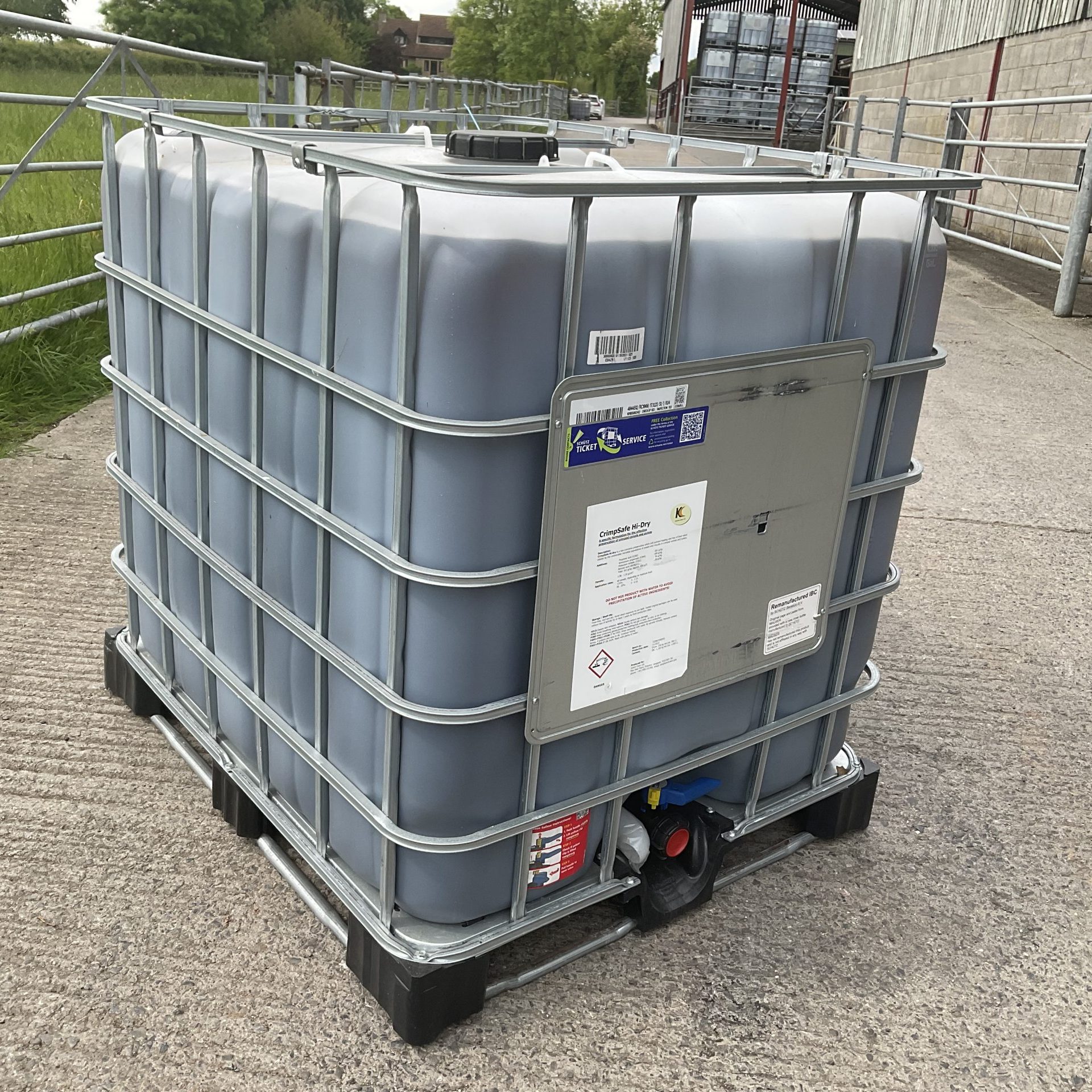
- For crimped grain drier than 30% MC
- Will flow through hoppers
- Can be clamped outside
Crimpmaster Applicator
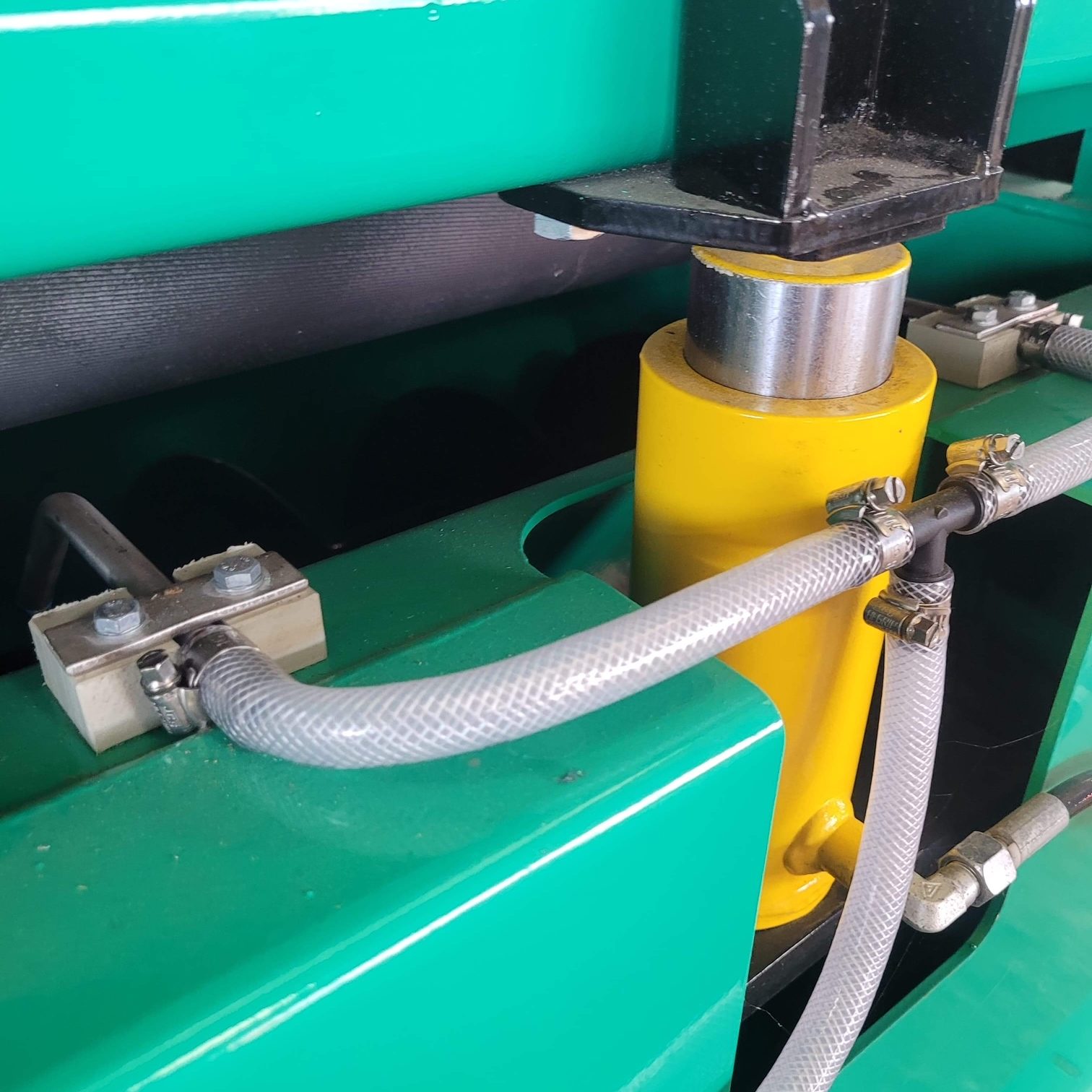
- Stem pump with foot filter
- Controlled flow meter
- Waterproof switch pack