Cereal harvest begins in Gloucestershire on last day of June

Harvesting 6-row winter barley
Grain crimping winter barley

The combine was in full swing on the last day of June in South Gloucestershire where beef and arable farmer, Steve Ball, has taken one of the first cereal harvests of the year.

Harvesting six-row winter barley, he has crimped the crop to feed his 600 head of beef, bringing the grain in at a moisture content of 34-38 per cent.

Farming 850 acres (344ha) at New House Farm on the Tortworth Estate near Charfield, he says yields so far are 5.2 tonnes per acre (12 tonnes/ha) which he’s exceptionally pleased with, especially since they come from the farm’s poorest land. With 86 acres (35ha) down to the same Kingsbarn variety of hybrid barley, he plans to crimp his whole crop, expected to total over 400 tonnes.

“This gives us complete control of the timing and the crimper can almost keep up with the combine.”
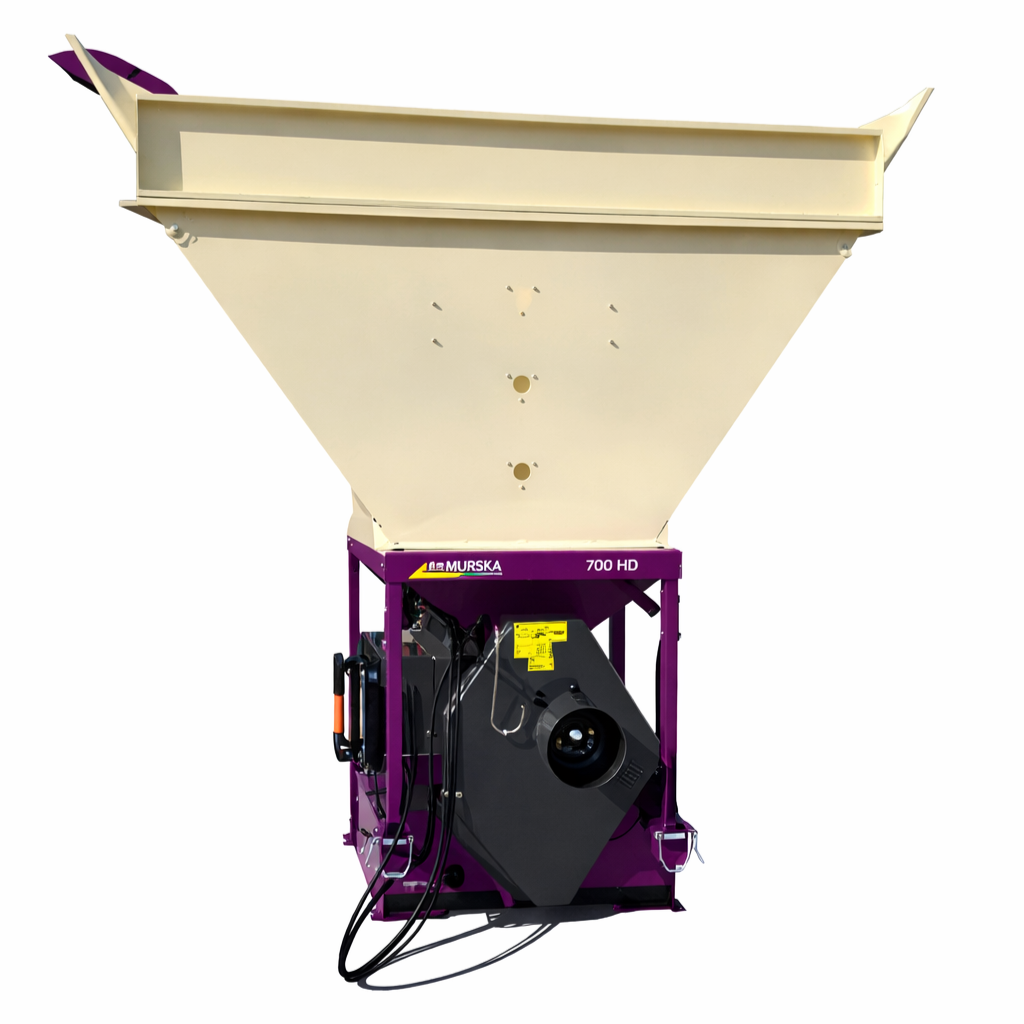
Having crimped cereals in the past with mixed results, this year he has taken advice from feed preservation specialists, Kelvin Cave Ltd. “The company helped me salvage a crop last year, and this year, they’ve been very hands-on so we’ve done the job right,” he says. “We are processing everything ourselves through our Korte 700 roller, and using the preservative CrimpSafe 300.

Straw is also spread, then rowed and baled soon after the combine and its quality is said to be ‘definitely better than drier straw’.

“The grain is rolled, compacted, sheeted and stored undercover in our large shed where we have three bunkers for silage and crimp,” he says.

The clamp will be opened after three weeks to feed the farm’s beef, some of which is sold through the family’s Tortworth Farm Shop and The Farmers Table.

“We make our own blend to feed with grass and maize silage, fodder beet and chopped straw,” he says. “In a 10-tonne mix, 8 tonnes are crimped barley and 800kg is maize distillers, the rest being limestone flour, urea and a mineral with yeast.”

The blend is fed to all ages of stock from three-month-old calves through to fat cattle, finishing at 18-20 months. Calves are fed 2kg/day of the blend, and it’s fed ad lib to the finishers, which will eat 10-12kg/day.

“They’re fantastic on it,” he says. “It’s so gentle on the stomach, performance is great and they are very content. You wouldn’t like to eat porridge without milk, and the cattle also prefer to eat moist grain.”

Agronomic benefits are also considered a big advantage of crimp as its early harvest offers plenty of time for autumn cultivations, earlier drilling and perhaps a catch crop.

However, Mr Ball says he will be using a Mzuri single pass drill to put the same land into the same variety of winter barley this autumn and using the same process of crimping to produce the bulk of his winter feed.

You may also be interested in

Roger Adams, Cullompton, harvesting winter barley

Cereal harvest begins in Devon in mid-June

The combine was out last Friday afternoon (15 June) in Cullompton, Devon where beef and arable farmer, Roger Adams, has taken what is thought to be the UK’s first cereal harvest of the year.

Learn more

Crimped cereals help cut out purchased feed

Turning their whole cereal acreage over to crimping has helped a family on Anglesey reach self-sufficiency for their beef and sheep, safeguarding their future against uncertain times ahead.

Learn more

21st century silage feeds Jurassic beef

Eric and James Sealey could never be accused of failing to grasp opportunities as they arise. Quick to see trends on the horizon and fast to respond, the father and son team have built a business which began life with meat sales from the back of a van; grew its turnover to £2.3 million by mid-2022; and will reach £2.5 million and rising by the end of this year.

Learn more