Cereal harvest begins in Devon in mid-June
The combine was out last Friday afternoon (15 June) in Cullompton, Devon where beef and arable farmer, Roger Adams, has taken what is thought to be the UK’s first cereal harvest of the year.
Harvesting winter barley, he has crimped the crop to feed to his beef, bringing it in at moisture content of around 45 per cent. By crimping the barley, he is not only able to compile a ration with a high cereal content which can be safely fed to his beef, he is also able to maximise use of the land after the early harvest. He will immediately sow the cereal ground with Westerwold ryegrass, which will be ready to cut as silage by mid-September, in around three months’ time.
Mr Adams, who farms at Honeypark Farm with his son, Craig, said the early-cut barley was drilled at the end of last September and was well established before the cold snap hit the southwest of England. “It got off to a ripping good start before the weather turned bad last winter,” he says. “And the crop recovered quickly after the cold and late spring.”


Although he hasn’t weighed the crop he says he is confident yields are high and is expecting a freshweight of around five tonnes/acre (12t/ha). Even when the high moisture of the crop is considered, this will produce a high dry matter yield per hectare. As the crop comes off the field, it is processed through a crimping machine – a KC 600 Bruiser – which flat-rolls the grain and applies the crimping preservative, Crimpsafe 300. This allows the crop to be stored in a clamp without any specialist facilities. “The barley goes straight through the Bruiser and into the clamp where it is rolled, compacted and sheeted in just the same way as silage,” says Mr Adams.
Ian Hall from crop preservation specialists, Kelvin Cave Ltd, says the reason barley harvested for crimping produces such a high dry matter yield per hectare is because it comes in from the field in peak condition. “It is usually harvested before there’s any disease, shrivelling or loss of grain,” he says. “And with the right preservative, a quick and controlled fermentation is achieved and the crop’s nutritional value is retained for long-term stable storage.”
Mr Adams is able to use the crimped barley to grow and finish the 400 head of beef he keeps on the 400 acre (162ha) family farm. It is used in a completely home-grown ration which also includes grass and maize silage, dry rolled wheat and beans.
“Feeding a home-grown ration obviously saves us having to get the cheque book out to buy any cake,” says Mr Adams. “And feeding this total mixed ration means we can make sure the beef are all off the farm before they are 20 months old.”
You may also be interested in

Cereal harvest begins in Gloucestershire on last day of June
The combine was in full swing on the last day of June in South Gloucestershire where beef and arable farmer, Steve Ball, has taken one of the first cereal harvests of the year.
Learn more
Pulses grown for greening cut out bought-in protein
An innovative approach to growing and preserving peas, beans and lupins has cut out bought-in protein from almost all livestock rations while also meeting greening rules on a Durham farm.
When Durham farmer, Rob Crowe, started his search for a new mill for rolling cereals, he could not have imagined it would be the prompt for a whole new cropping rotation which would cut out bought-in protein from his livestock feeds.
Learn more
Don’t delay harvest in maize thats under stress
Growers who are suffering with dead or dying maize crops have been advised to harvest the crop at the earliest opportunity. Waiting for a later harvest in the hope of higher yields and more starch is likely to be counterproductive.
Learn moreRelated products

CrimpSafe Hi-dry
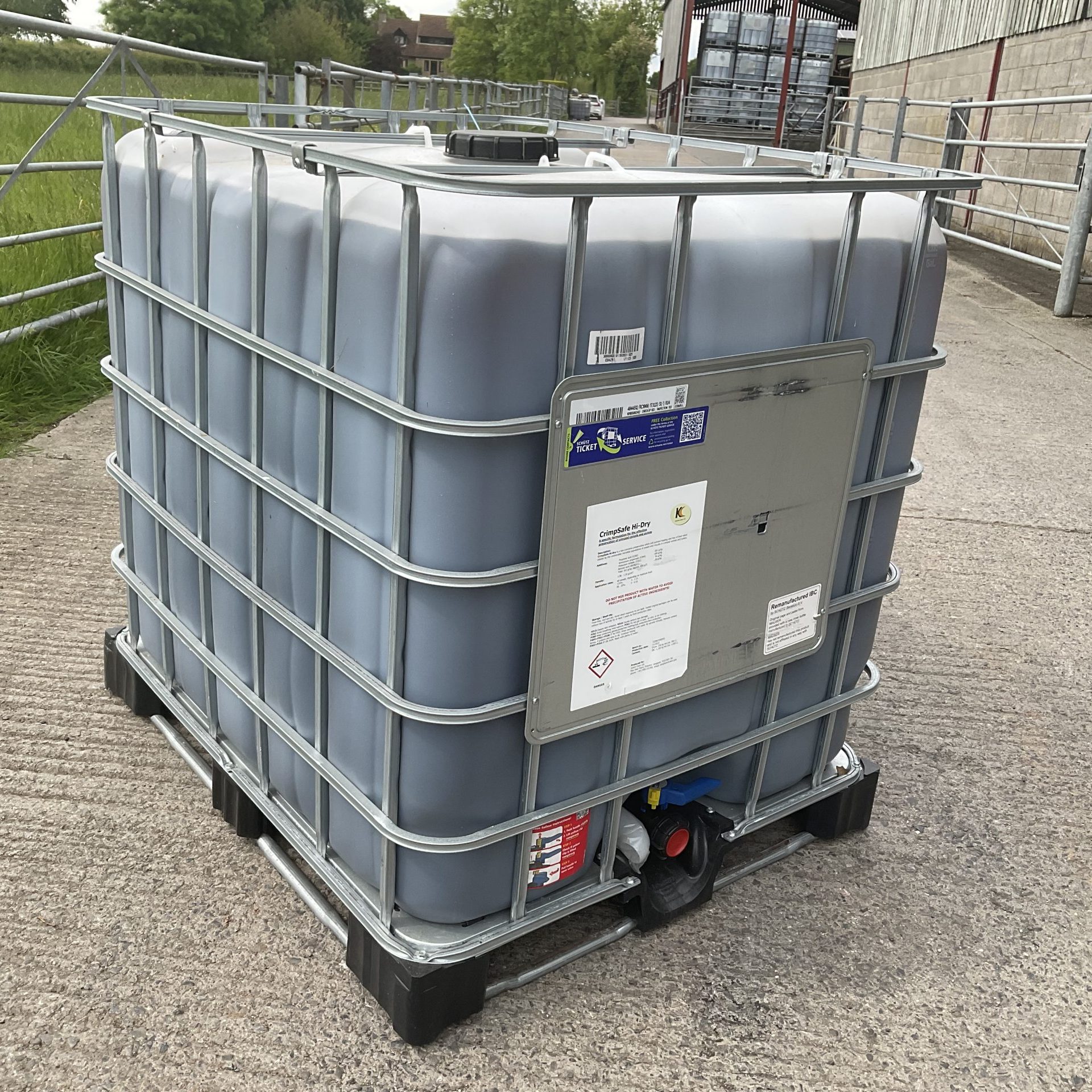
- For crimped grain drier than 30% MC
- Will flow through hoppers
- Can be clamped outside